

We have perhaps jinxed this year’s monsoon by talking too much about it. That, and the El Niño effect. India is currently staring at a massive 35% rainfall deficit. We are an incredibly monsoon-dependent country, so hopefully things should improve soon and the deficit turns out to be much smaller.
These two images were taken in the same village, Erelavalmudi, by our reader Rajesh T. G., at the same time of year, one last year(19/06) and the other this year(19/06).
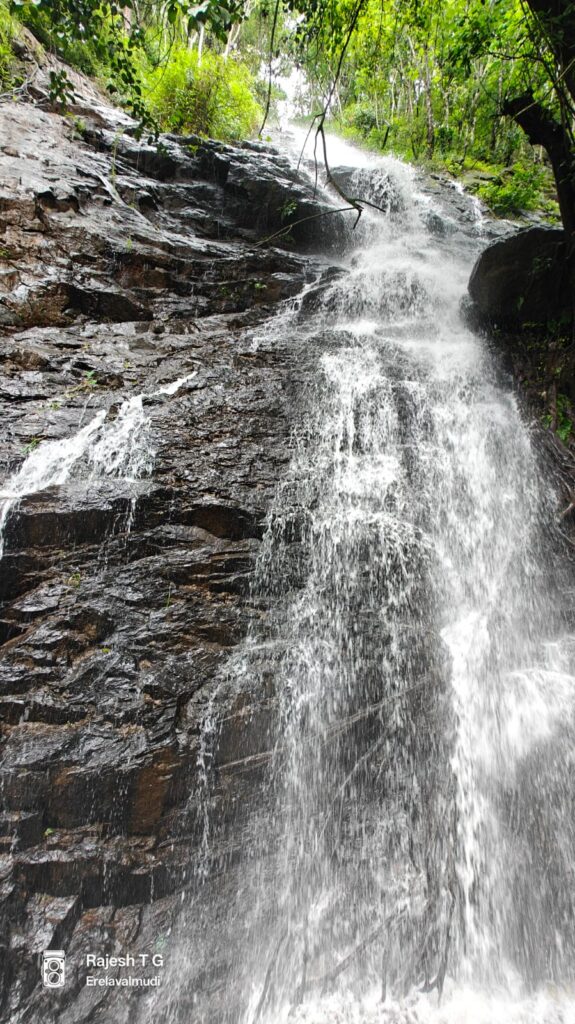
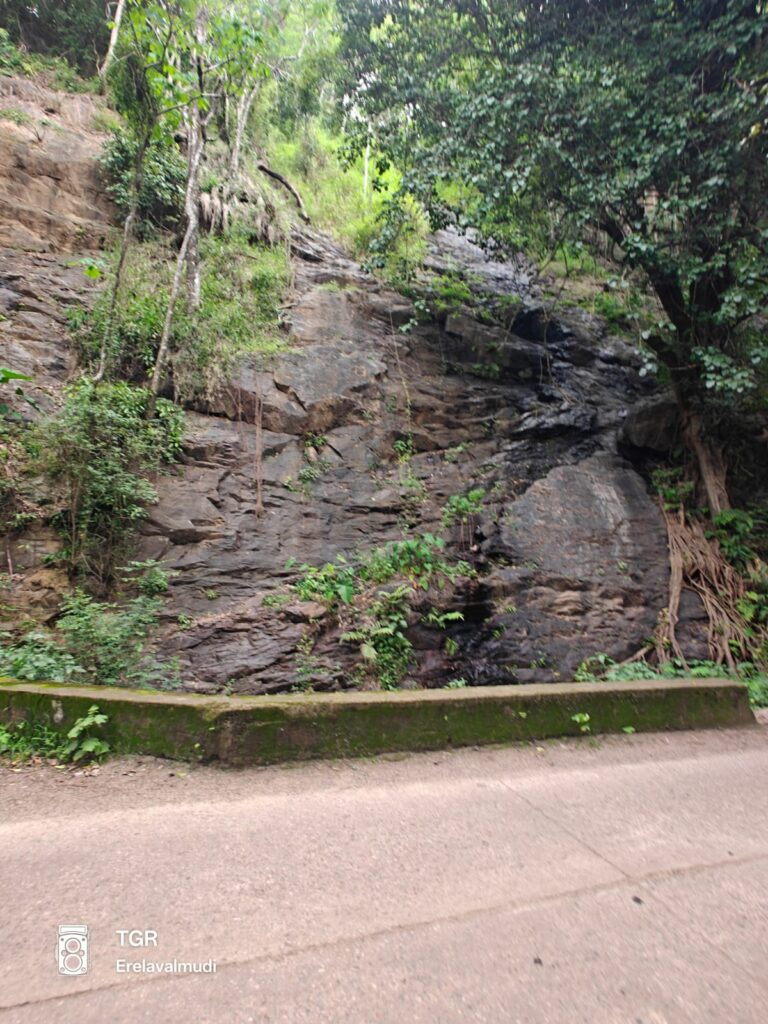
The early monsoon season is usually one of the most picturesque times of the year in Coorg, with hundreds of waterfalls springing to life across the landscape. However, as these images illustrate, the current monsoon situation in Coorg is alarmingly poor. With the peak rainfall season fast approaching, the outlook appears increasingly grim.
Are we witnessing the effects of changing weather patterns, and could Coorg be heading towards a deficient monsoon this year?
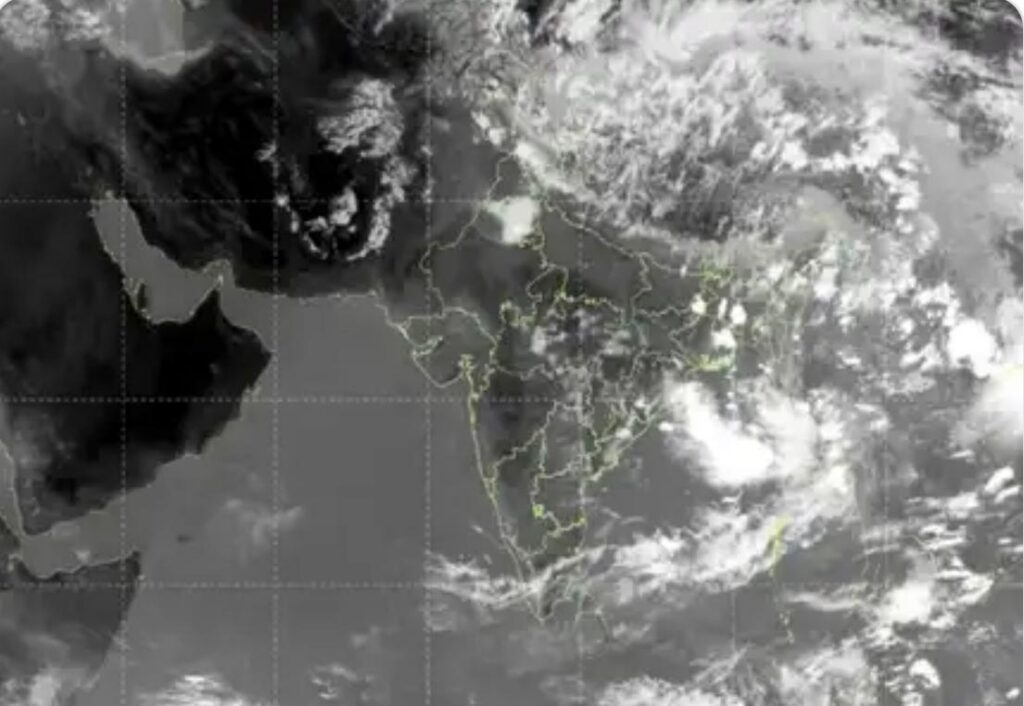
The Satellite image from the Metreological Department shows that Monsoon clouds have almost disappeared from India.
Join our WhatsApp Group for News and Article Alerts



Its good karnataka govt should feel the pain with massive urbanistion in coorg and calling it as improvement this is what its gonna happen let the people suffer with this type of urbanization.
The pictures sent in by Rajesh is not as innocuous as it may appear on first glance. The change in rainfall patterns is here to stay – unpredictable, volatile, untimely…. all an outcome of global and local excesses ranging from wars, irresponsible environment management and blatant human greed.
It’s no different in Kodagu. Excess migrant population who have settled in Kodagu at a whim, irresponsible tourism, poor water management, loss of green cover and so on. Water management and conservation within the district should rank amongst the top 10 priorities in the District.
It is time that people coordinate and create platforms to make their voices hard and have interactive meetings with the Administration, Political and Community leaders and of course draw in the voice of the “experienced” residents who have a long term stake in the district. Politicians and District Administrators come and go – the long term residents should raise their hands and speak up to make their voices heard.
The climate change is real and of global scale. It’s various effects are obvious to the ones who are looking for it. This little cascade running dry in late June is normal or not, I do not know. Only historical data can tell us more. But it is not a reassuring sight for sure.
El NINO and La NINA is a natural global climatic phenomenon. In the past it occurred roughly once every 7–8 years, whereas today it appears more frequently, about once every 4–5 years. It is not a new occurrence, humanity has lived through such natural cycles for centuries.
Therefore, Coorg should not unnecessarily blame itself for every change in rainfall or water availability. The natural sources of our rivers remain the same, and in fact, vegetation and tree cover in many parts of Coorg have increased significantly compared to 15 years ago.
One important factor often overlooked is the sharp increase in population and the growing diversion of water at the source through pipelines for domestic and commercial use. This contributes to streams appearing dry further downstream, even when the original water source remains active.
Consider the Godess Cauvery. Around 20 years ago, she supplied water to approximately 40 lakh people in Bengaluru and about 3 lakh people in Mysuru. Today, the same river is expected to meet the needs of nearly 1.5 crore people in Banglore and over 13 lakh people in Mysuru. The demand on the river has increased dramatically, while the source remains largely unchanged *except polluting her all over starting from the source*.
We cannot place all the blame on nature or people of Coorg for the challenges created by rising population, increased consumption, and changing patterns of water use. Sustainable management of our water resources is equally important.