

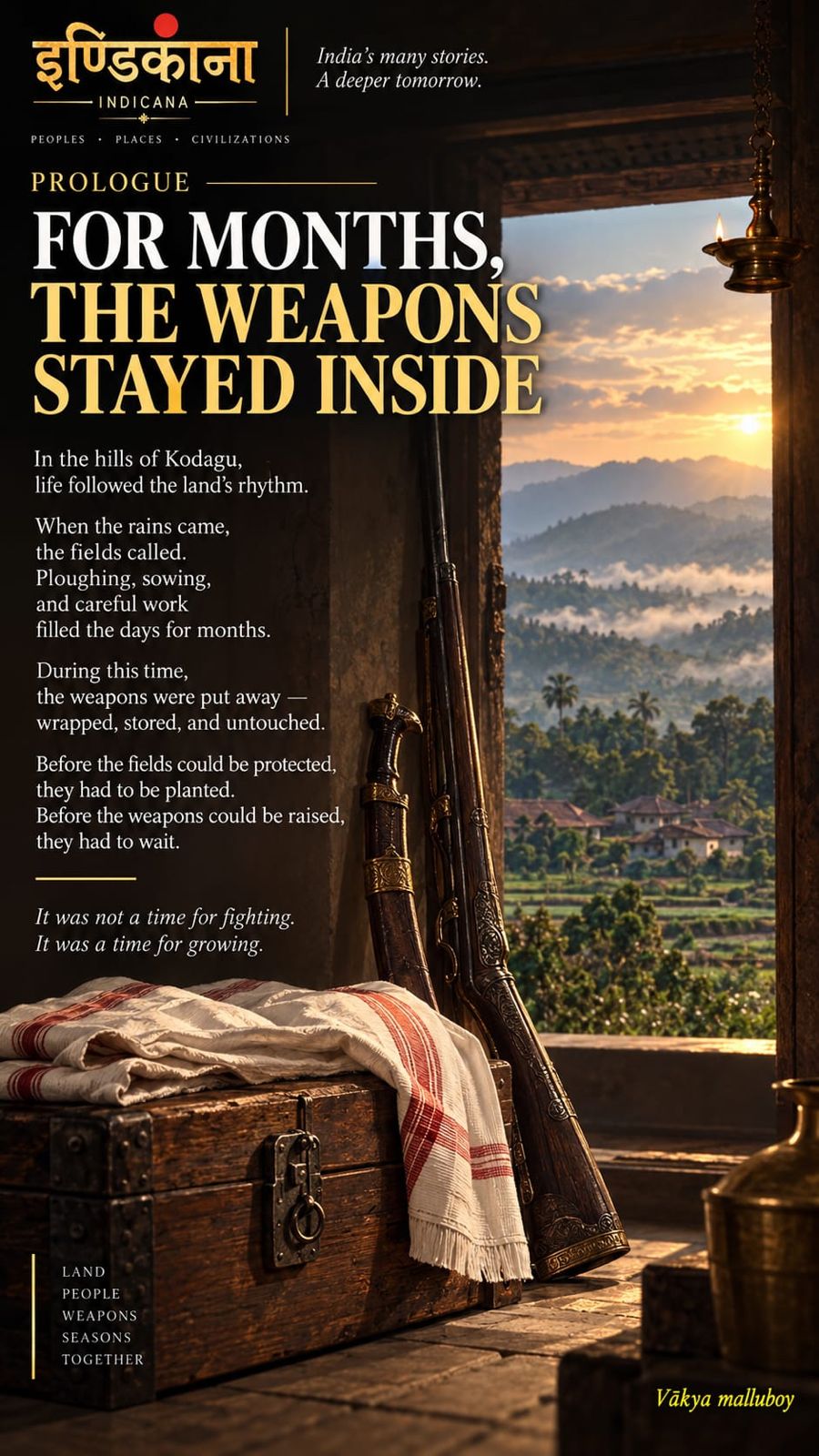
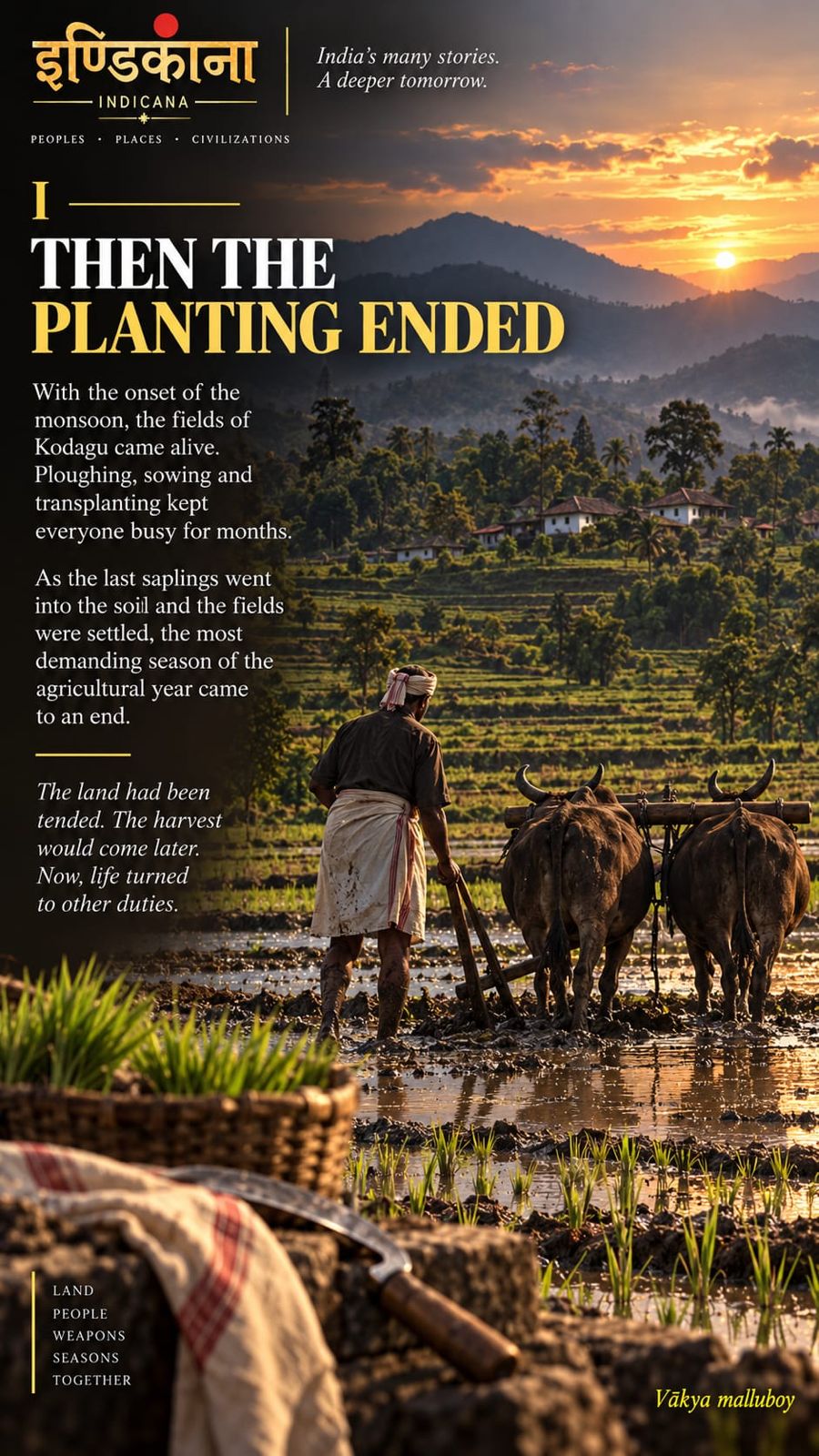
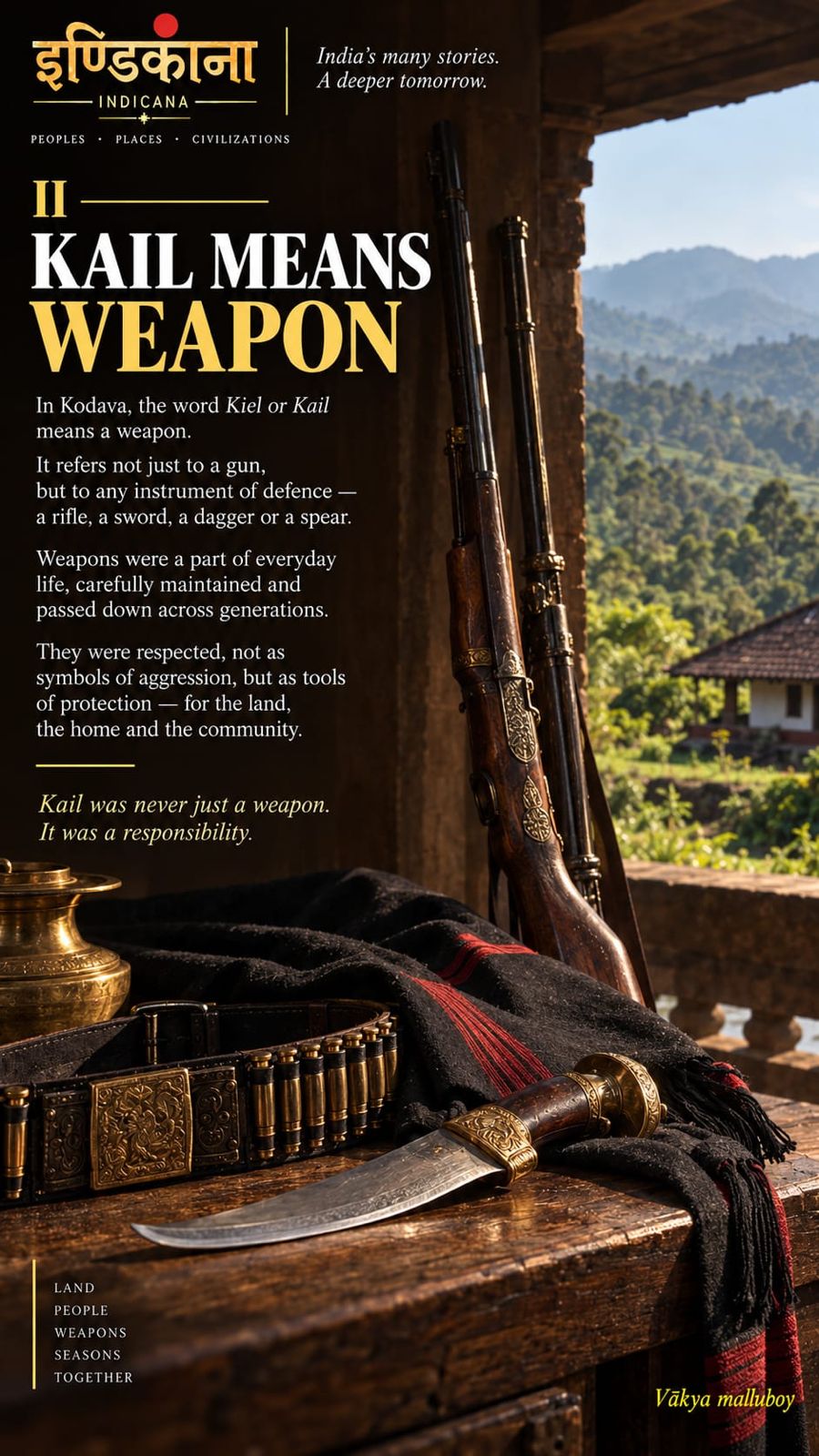
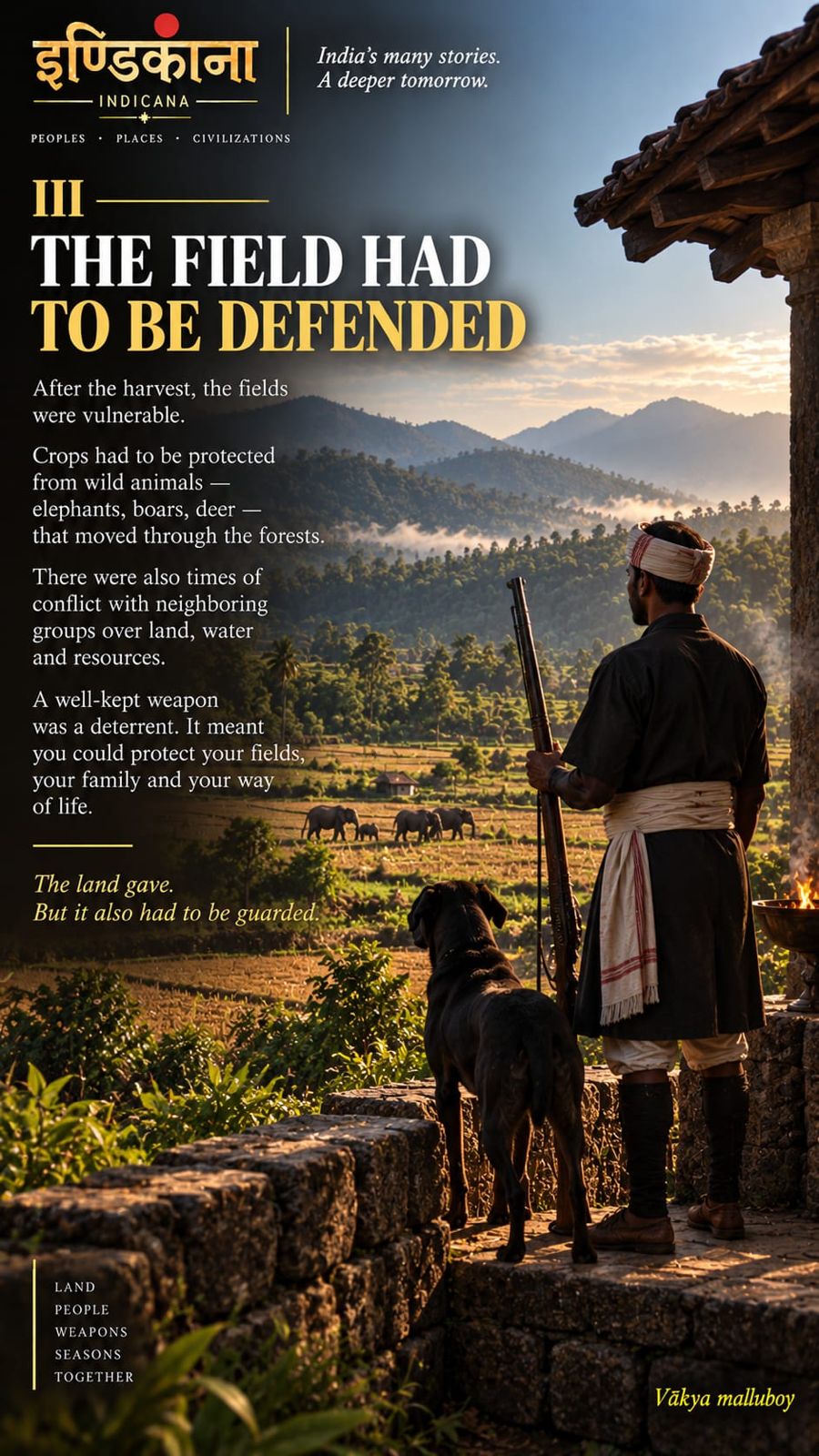
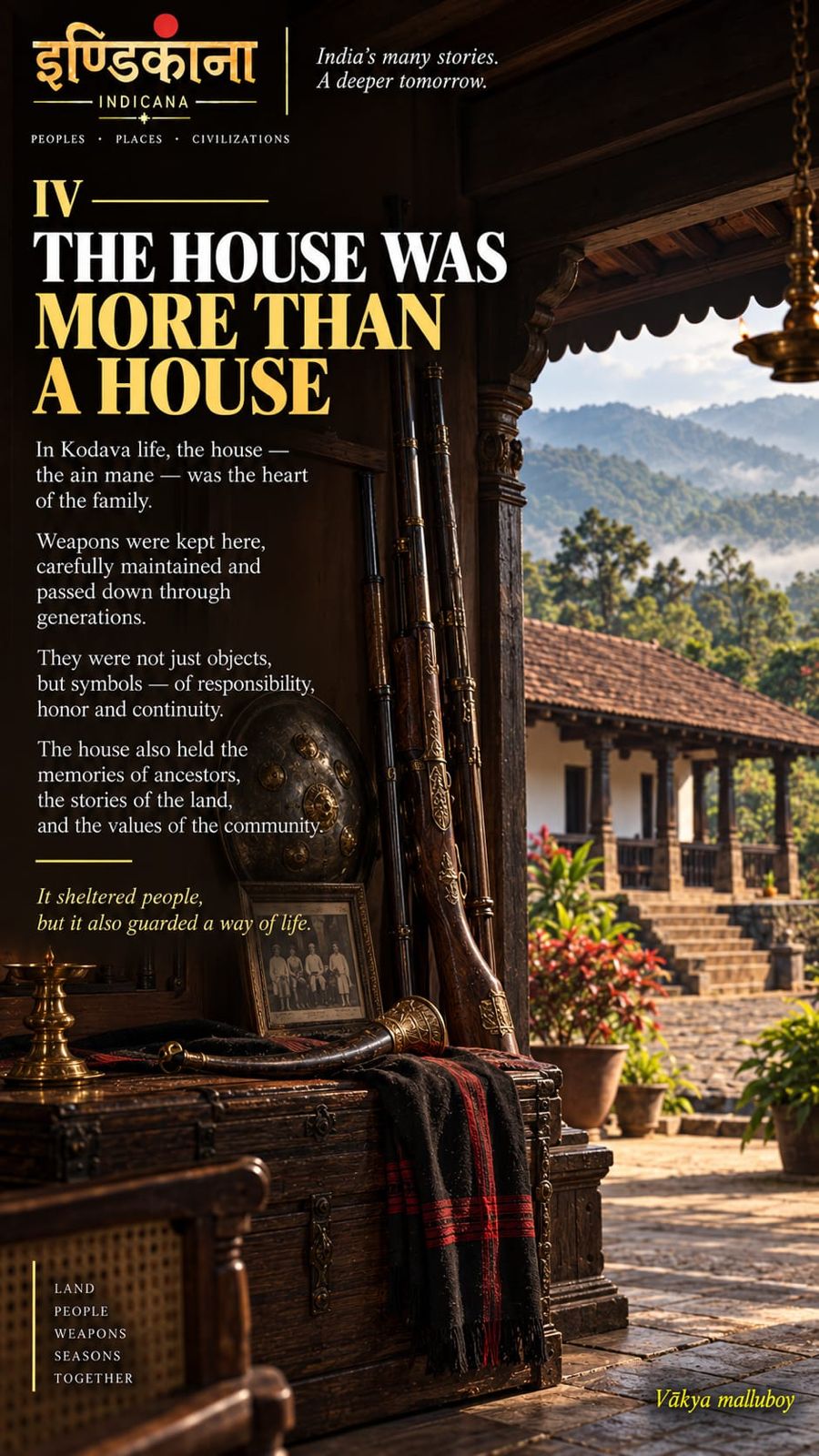
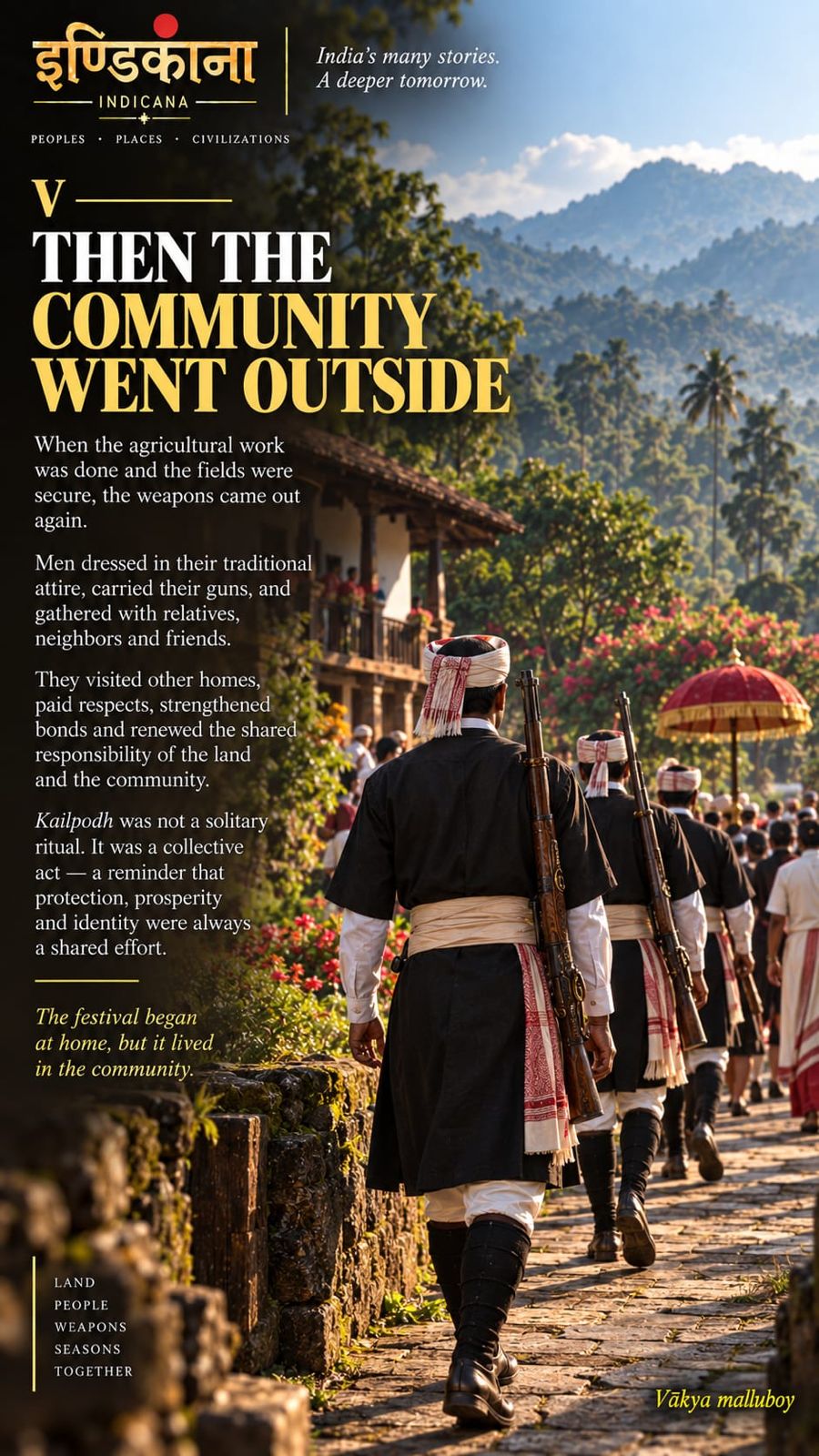
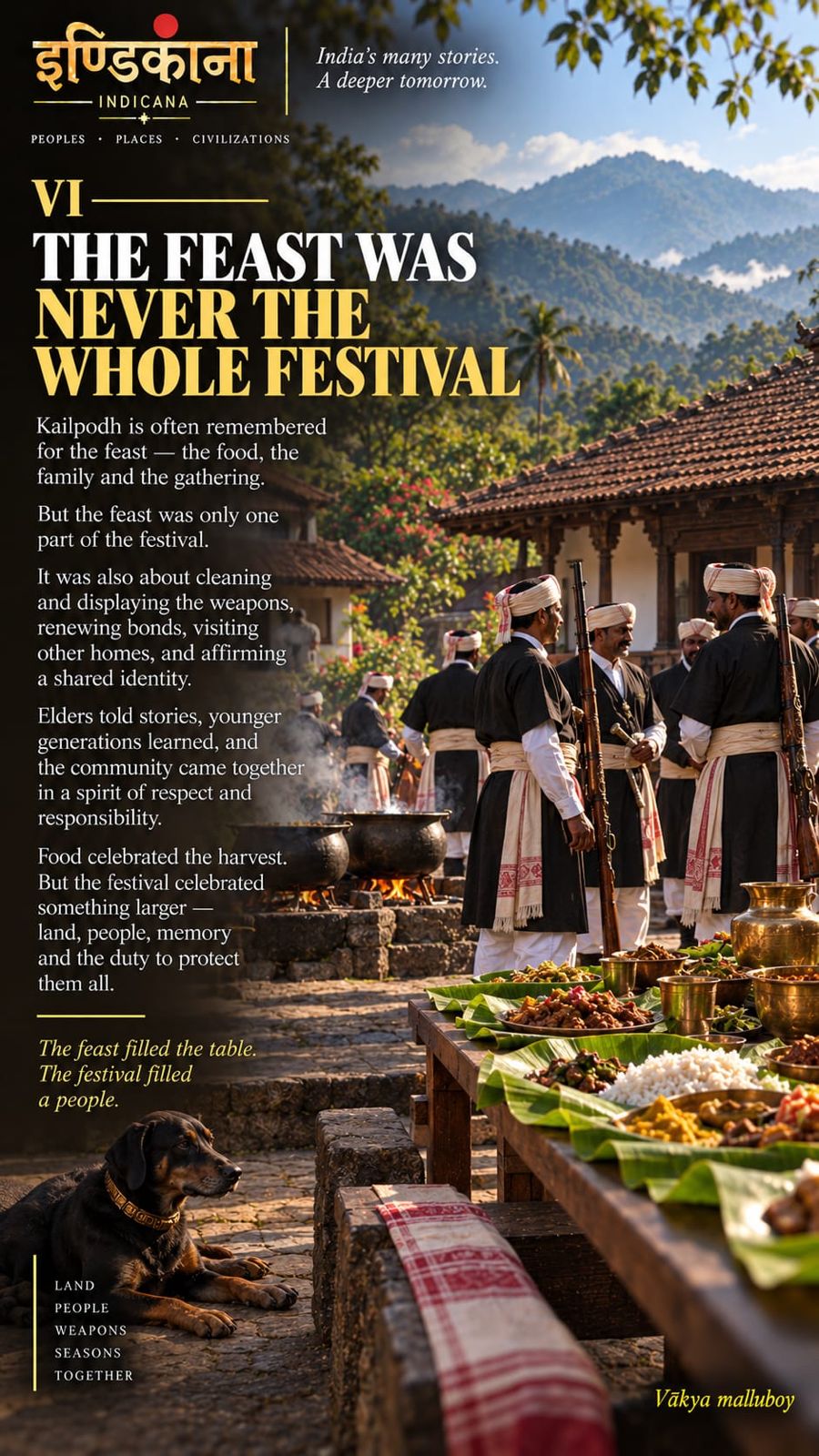
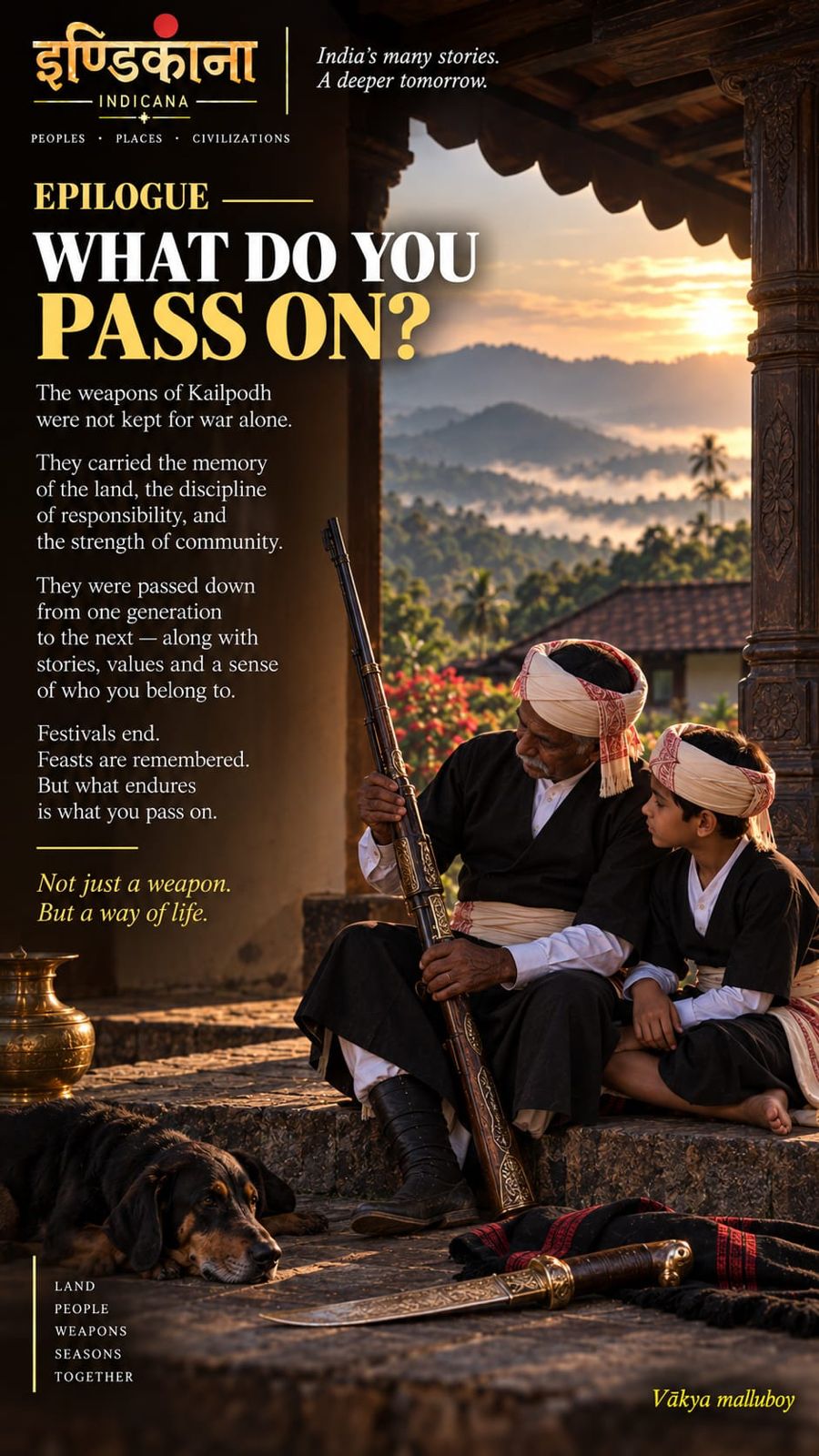
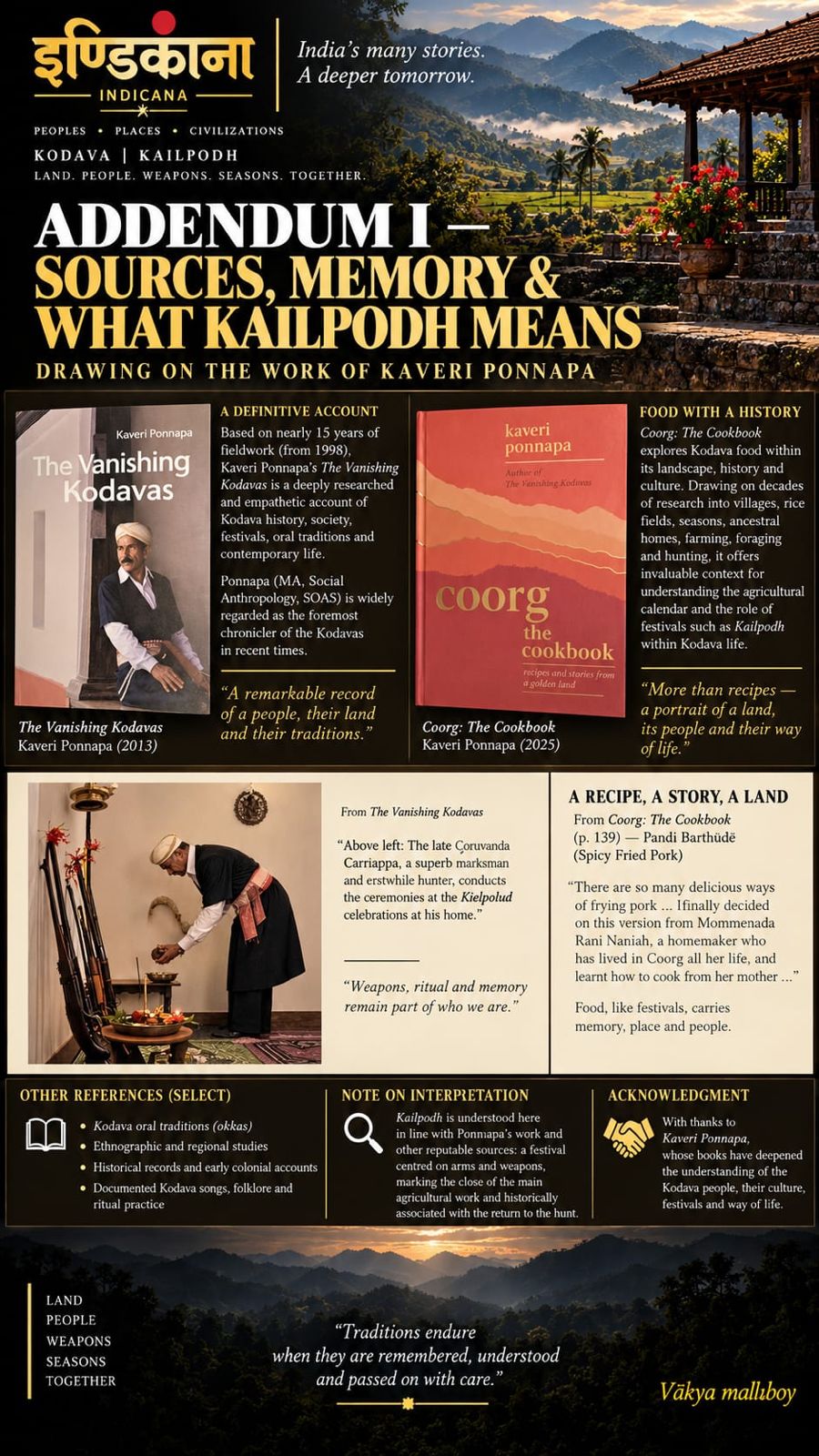
Now that the main day of the festival is over, Kishore who resides in Seattle decided that the festivities have not ended in the Western Hemisphere. An ardent fan of Kodava food and Kachanakall , he used his enormous talent to translate Mamatha Subbaiah’s article and the extensive comments into a visual treat. As these are creative AI generated images, headgear and the sash may reflect the route by which our ancestors may have traversed to reach the Malabar Coast – perhaps from Crete through West Asia (Yemen and Oman).
Enjoy the treat. – CLN Newsdesk
N. Kishore — Private Banker, JPMorgan Chase. Numbers by day, Narratives by Night. History buff and restless wanderer, mapping old empires onto new journeys.
Devoted husband, grandfather. Practitioner of tactical silence. Quiet fortitude in reserve.
Join our WhatsApp Group for News and Article Alerts



This article made me look at Kailpodh differently. It shows how closely Kodava traditions were linked to the seasons and the land. After the paddy work was completed, the community observed Kailpodh and renewed its connection with hunting and the protection of the fields. The festival brought together agriculture, weapons, food, worship and community life. This reflects Kaveri Ponnappa’s description of the Kodavas as both farmers and warriors. Her work also shows how rice cultivation, hunting and the natural landscape shaped Kodava life. What I find beautiful is that these were not separate parts of life. They formed one connected cycle.