

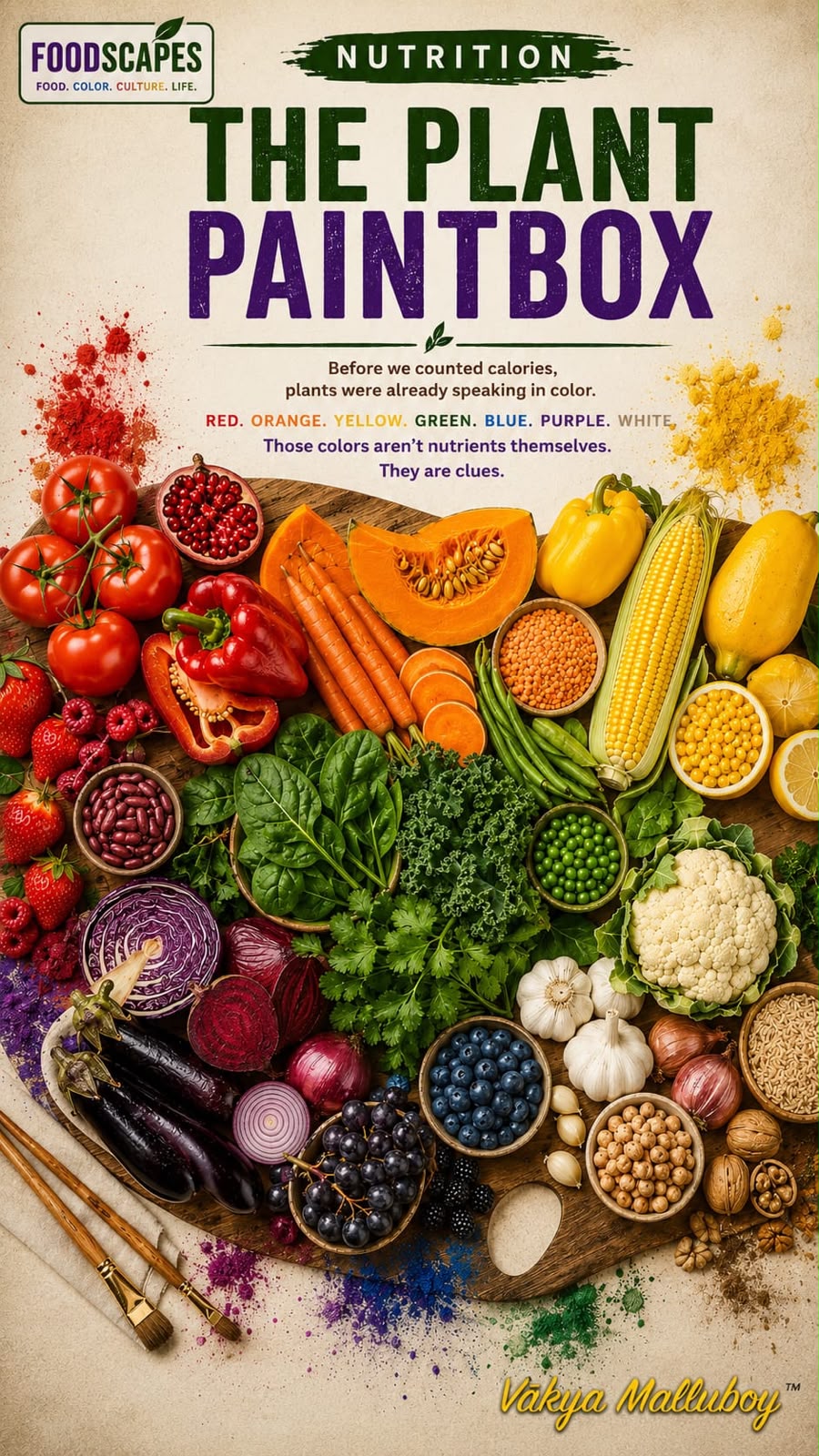
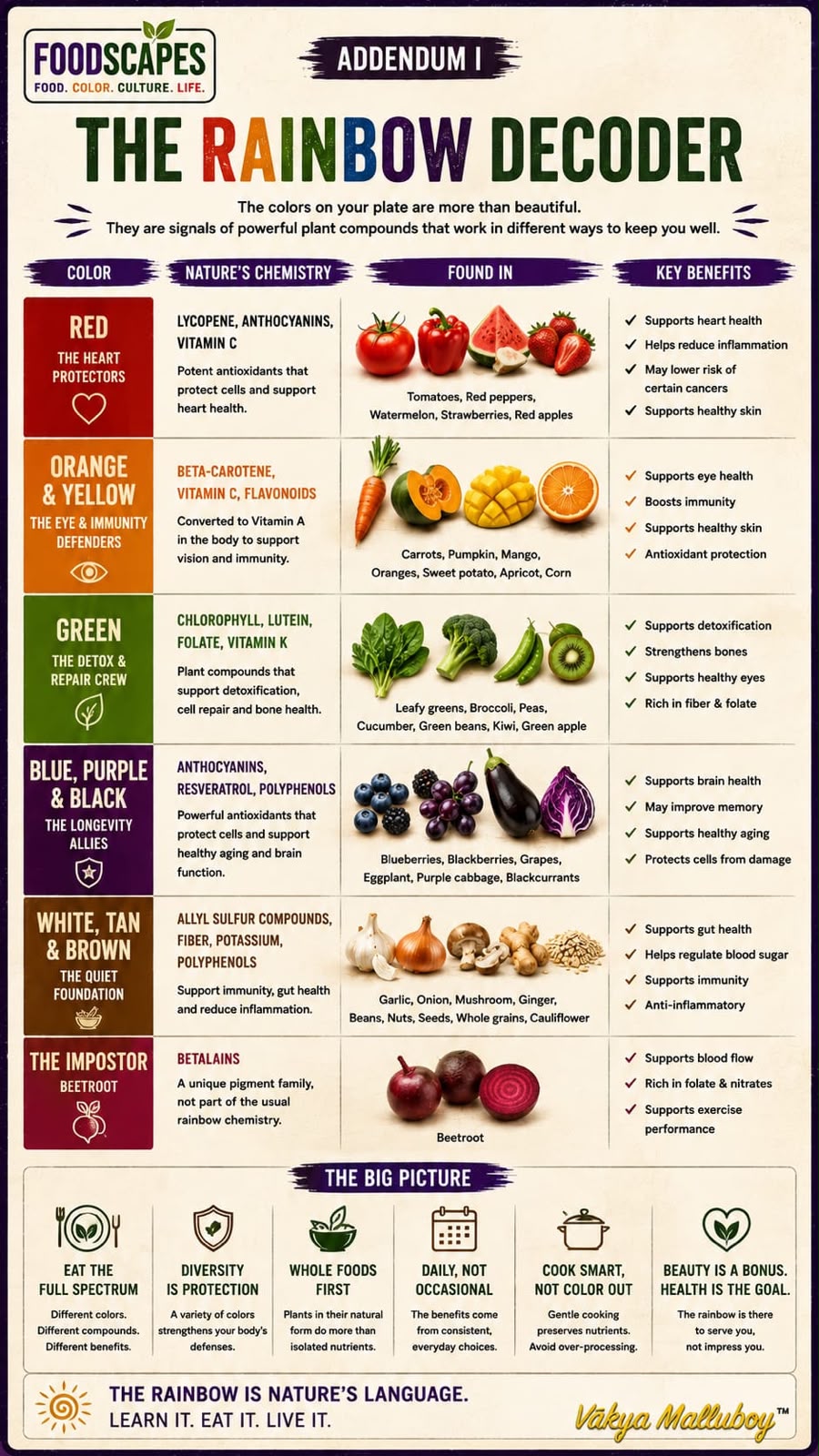
We seldom look at color in food we eat and think if there’s more than meets the eye! An outstanding rendition of Nutrition through – The Plant Paint Box – Eat a Diversity of Colours!
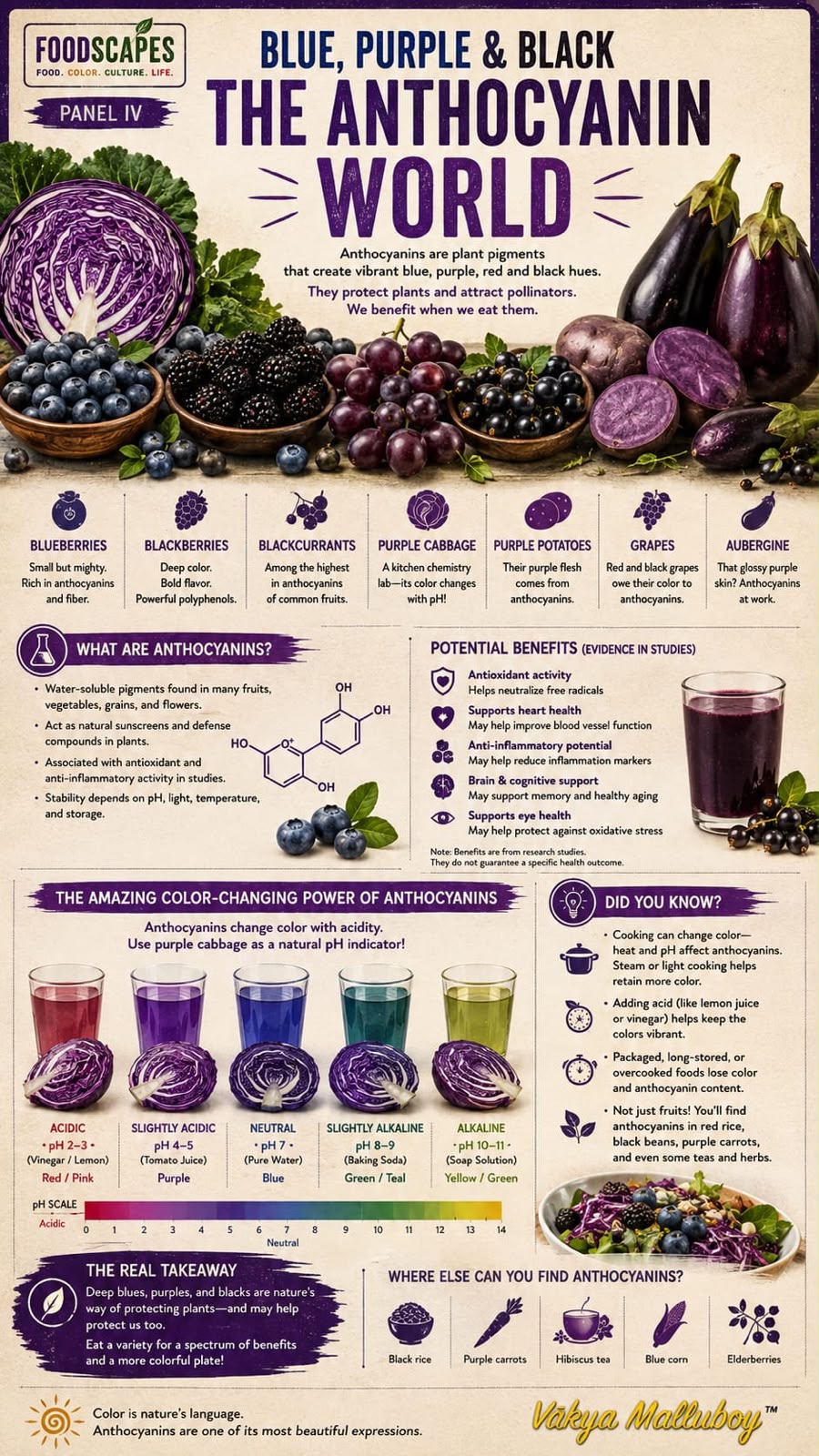
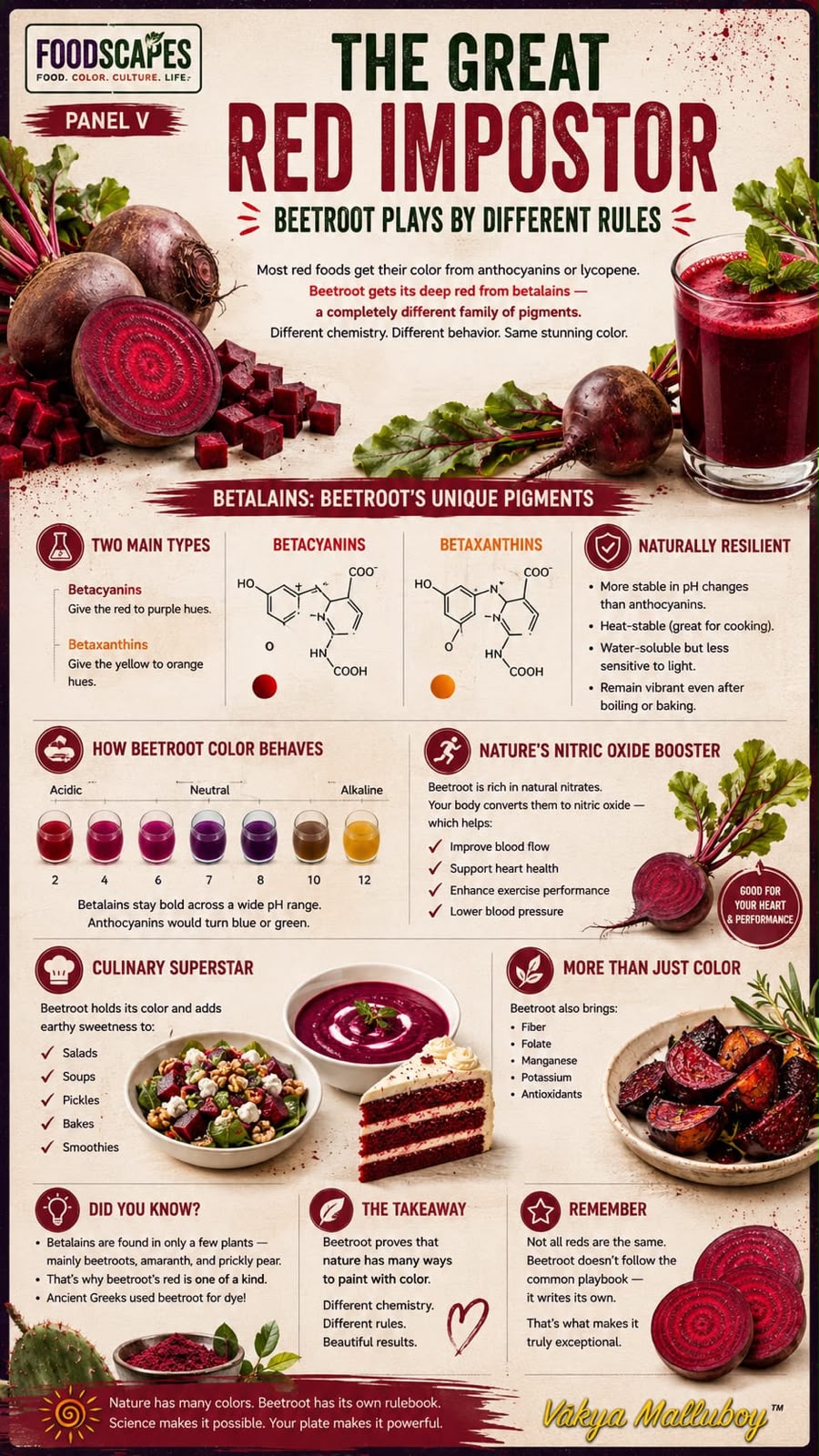
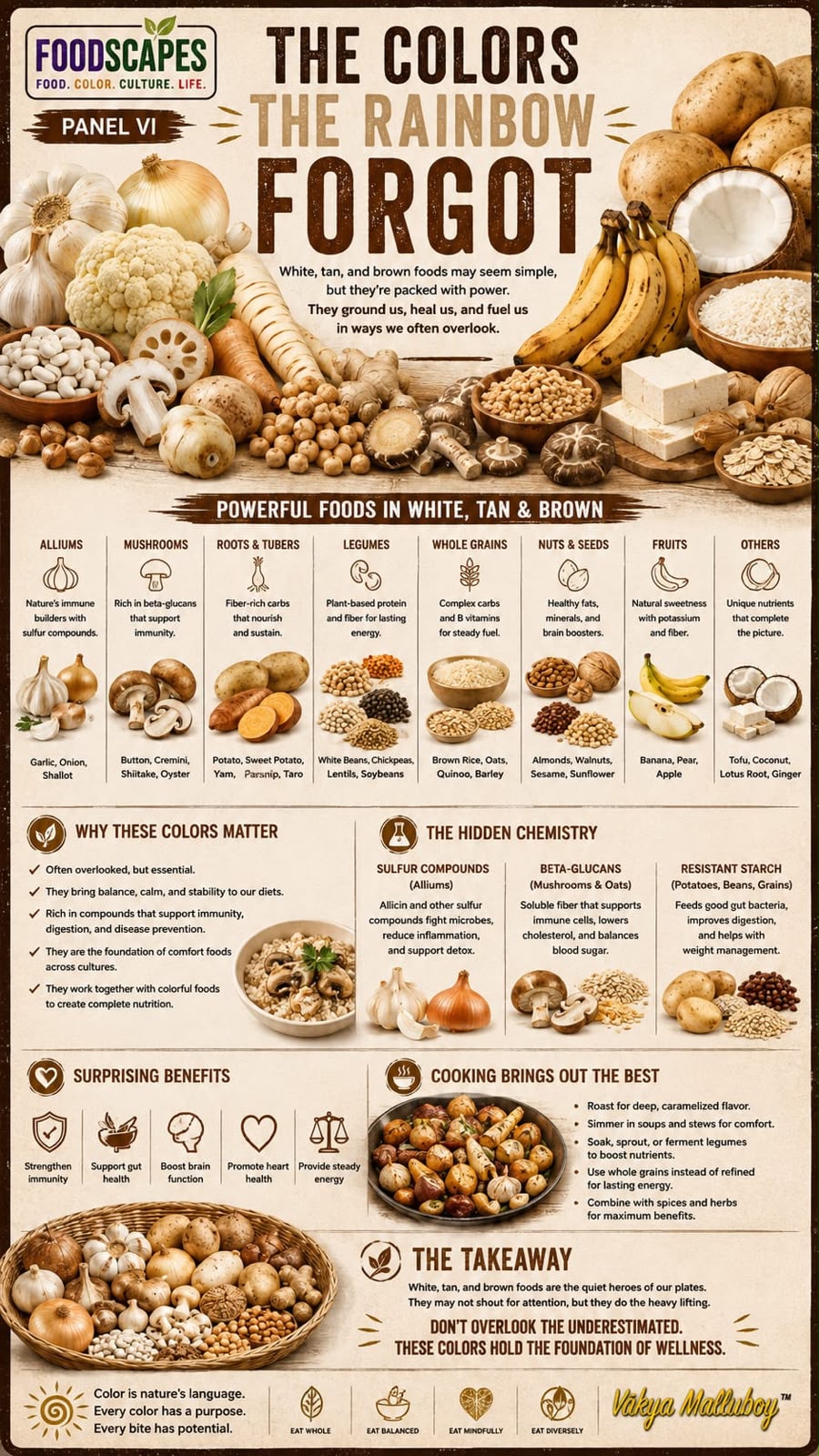
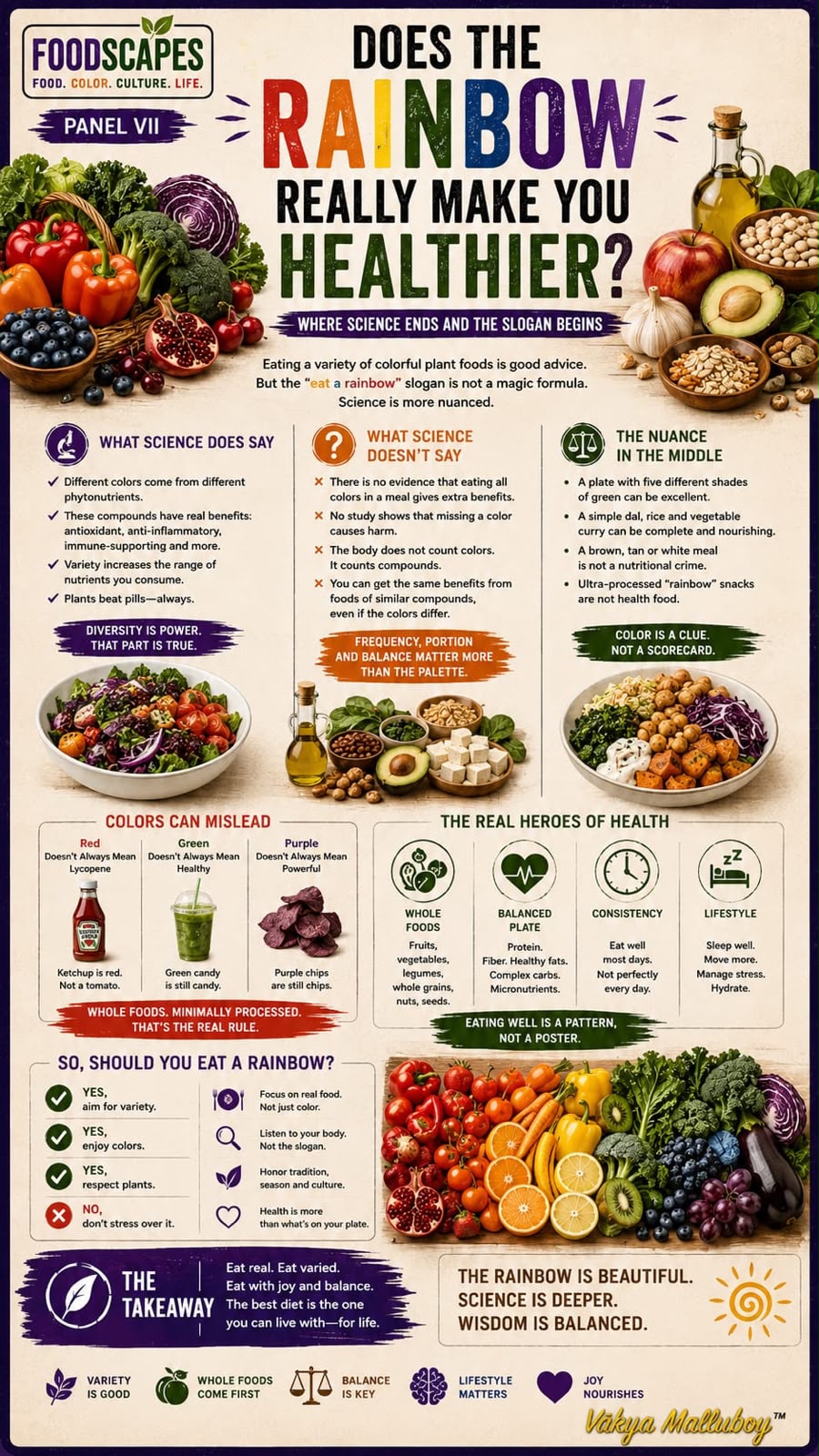
N. Kishore — Private Banker, JPMorgan Chase. Numbers by day, Narratives by Night. History buff and restless wanderer, mapping old empires onto new journeys.
Devoted husband, grandfather. Practitioner of tactical silence. Quiet fortitude in reserve.
Join our WhatsApp Group for News and Article Alerts



Insightful piece, a timely reminder for our Coffee Land community to value diversity on our plates. ‘The Plant Paintbox’ links tradition, health and sustainability in a simple, appealing way. Well written, N Kishore.
🙏🏽🙏🏽🙏🏽
Thank you for sharing this article from Kishore.
I will surely post it on the Dining Room wall of the children in school.
I’m deeply honored Ratna. I hope the kids enjoy the posters and learn something!
Kishore
Thank you all for the extraordinarily thoughtful responses. I confess I’m neither a nutritionist nor a particularly enthusiastic salad eater — my wife Sumi has that department comprehensively covered! 😄
What fascinated me about The Plant Paintbox was the wonderfully simple science behind it: nature has given us colour as a useful clue to diversity. Not a prescription, not a miracle diet, and certainly not another “superfood” sermon — simply a reminder that variety matters.
I particularly enjoyed Mir’s perspective as a chef, Lakshmi’s connection between food and the garden, and Harish’s suggestion that we take the Paintbox into the everyday Indian plate. Ram’s idea of putting these panels into schools is equally intriguing.
And perhaps that is the nicest outcome of all: a little story about pigments and plants has started a much larger conversation about food, science, memory, culture and where our food comes from.
Thank you, Coffee Land News — and everyone who joined the conversation.
Kishore
I am practicing this colour theory under the Guidance of my doctor for diabetics lifestyle change! Thanks for the detailed article. I printed it and saved the same in my file for reference.
Kishore, thank you for this colorful piece. This color therapy significantly enriches and brightens one’s life. Spoiling our lives, we add artificial colors to food rather than opting for the gift of natural colors. A green smoothie in the morning, rich in major and minor greens, energizes humans. I got this article printed out and kept it for my loved ones.
Excellent material presented in a very appealing manner. Thank you, Kishore, and to CLN for carrying it.
Very well written and researched. Thank you for sharing. As a chef, I sometimes hit that moment where I am stuck on what else belongs on the plate . That’s when I look at colour. I’ve noticed that ingredients with similar tones usually harmonise and complement each other beautiful. (Few exceptions)
Thank you for the article, well-presented visually while providing a plethora of information. The colours on our plate are more than just visually appealing—they represent the remarkable diversity of plant compounds found in whole foods. Together, these colourful whole foods highlight the importance of dietary diversity: rather than focusing on a single “superfood,” eating a broad spectrum of naturally colourful foods regularly can help provide a wider range of nutrients and beneficial plant compounds for a balanced and nourishing diet.
Very well presented.
Good for all age groups to catch up with some basic nutrition facts, long forgotten.
It summarises succinctly and it would help immensely to get these panels printed on canvas and distributed in schools.
It’s easy to forget that food aesthetics and nutrition are directly connected.The concept of the Plant Paint Box is a great reminder that a colorful plate isn’t just visually appealing it’s a direct indicator of gift from nature and nutrition intake. Great perspective on simplifying dietary diversity.
Lovely idea and such a refreshing way to look at something as everyday as food. 👏 It actually makes you pause and look at the plate differently. Looking at all those colours also made me nostalgic. I wish I could go back to Madikeri and just pick them fresh from my garden. 😊 Being in Bangalore, I realise how much I miss that. Maybe that’s the real beauty of an idea like this, it makes you think not just about what is healthy, but also about where our food comes from.
Really liked the simplicity of this idea. In a world of social media reel-based health experts, where everything seems to come down to protein, carbs, diabetes, calories or the latest “healthy” way to decorate your plate, this is a refreshing way of looking at food. And I liked the point that colour is only a clue and diversity is the real story. Maybe the next step would be to show us how to take this idea from the paintbox to the everyday plate, using the foods we already eat. That could make a good idea even more useful.
Thank you, Mamatha Subbaiah, Uthappa, Kaverappa and Neer Somakka, for such generous comments.
A small confession: I am not a nutritionist. I don’t even eat salad. My wife Sumi, on the other hand, makes magnificent salads bursting with colour—which I admire visually and avoid gastronomically!
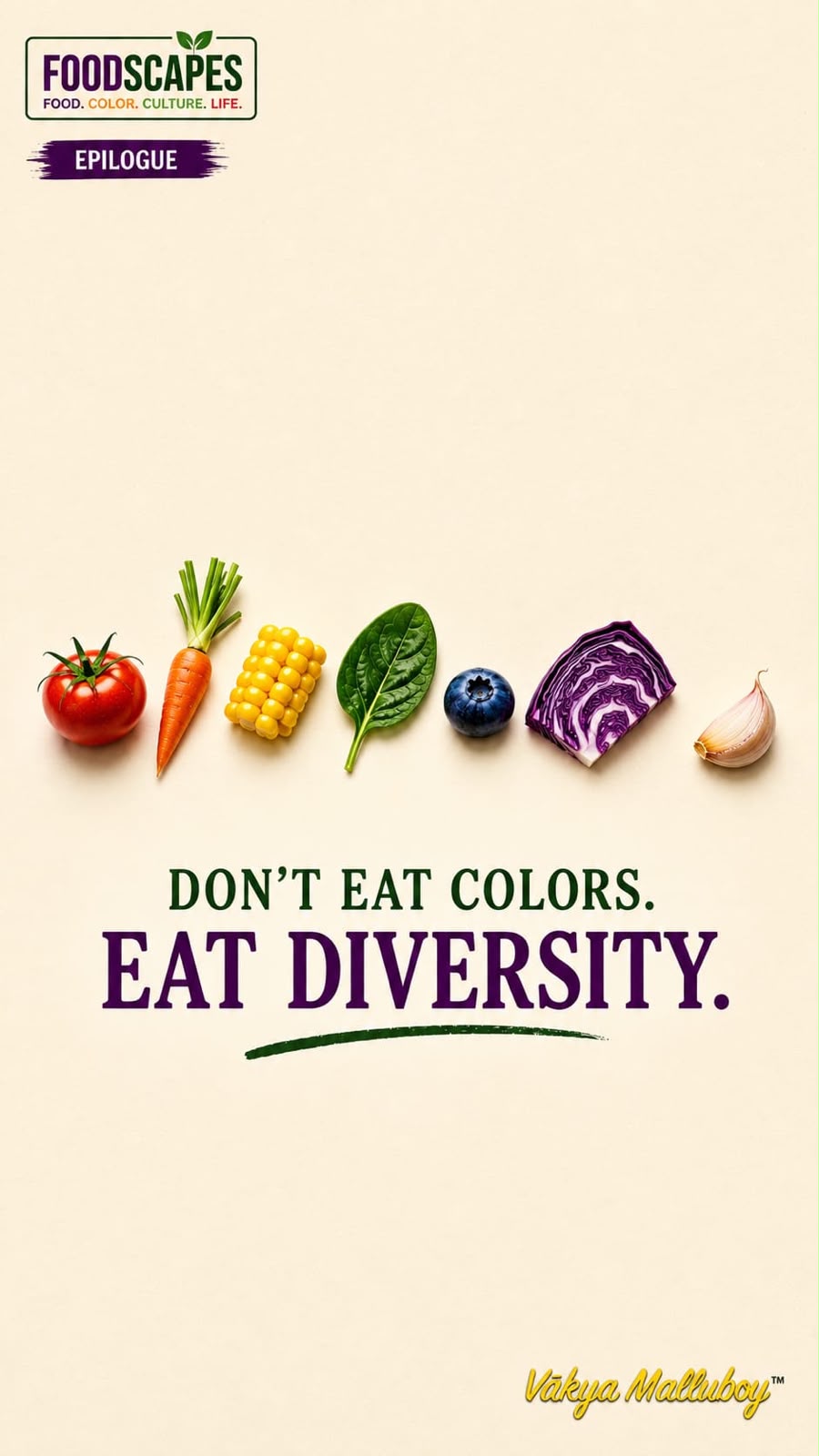
That contradiction is partly what drew me into this subject. I became fascinated by the science behind those colours: chlorophylls, carotenoids, anthocyanins, betalains—and then discovered the more important lesson. Colour is only a clue. Diversity is the real story.
Perhaps that is the joy of curiosity: you don’t have to be an expert to ask a question, follow the evidence, and learn something wonderful.
N. Kishore
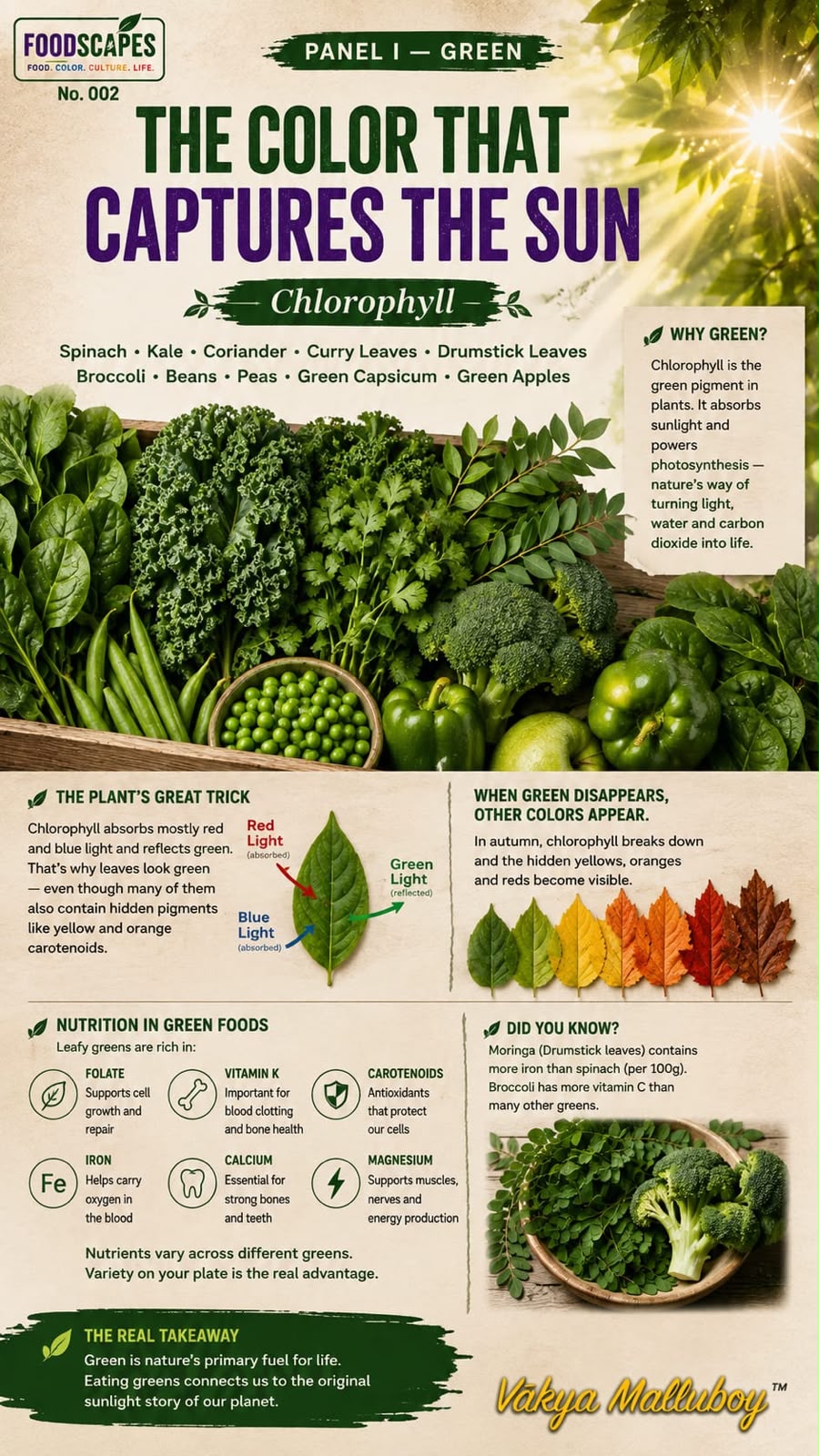
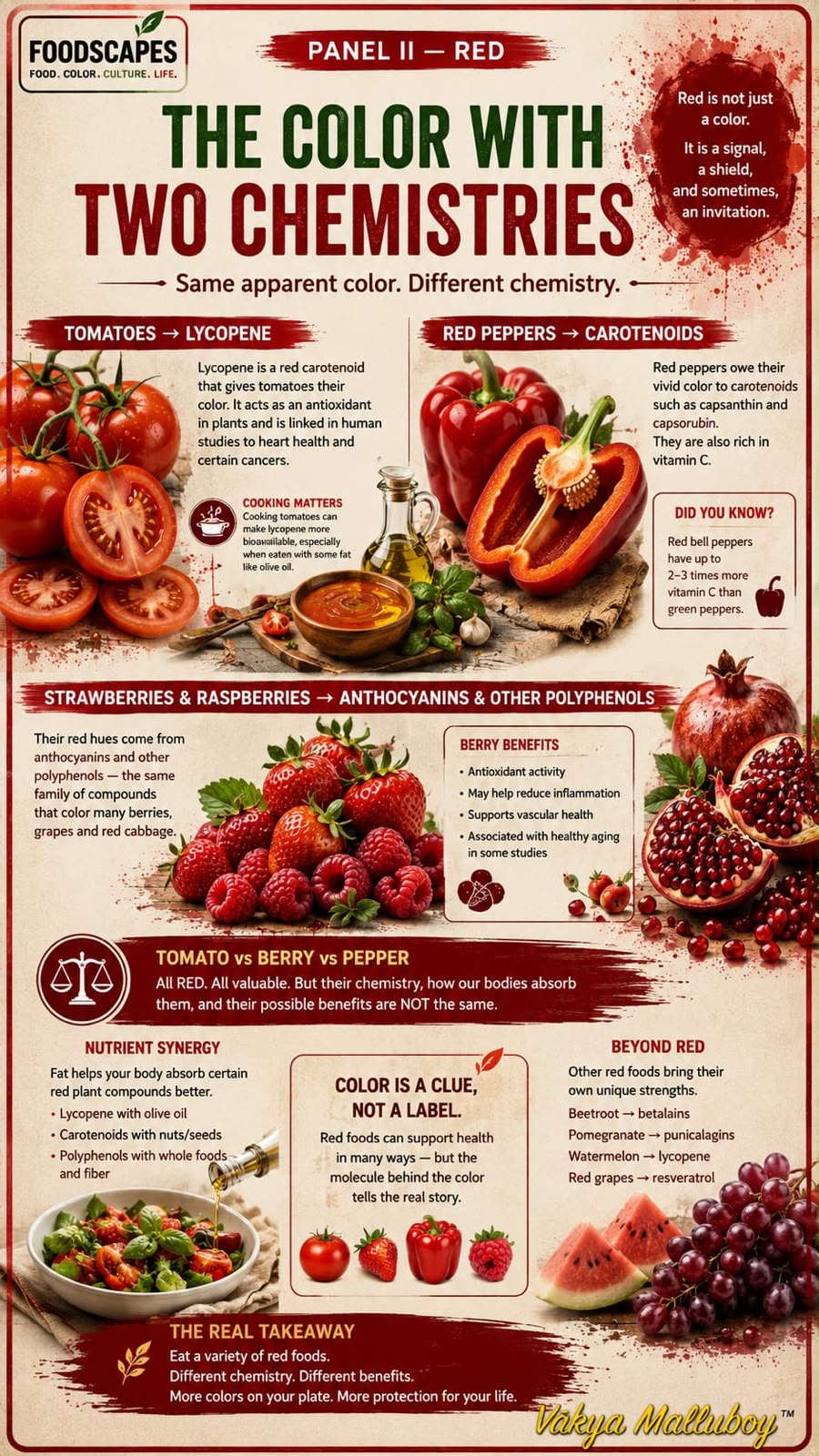
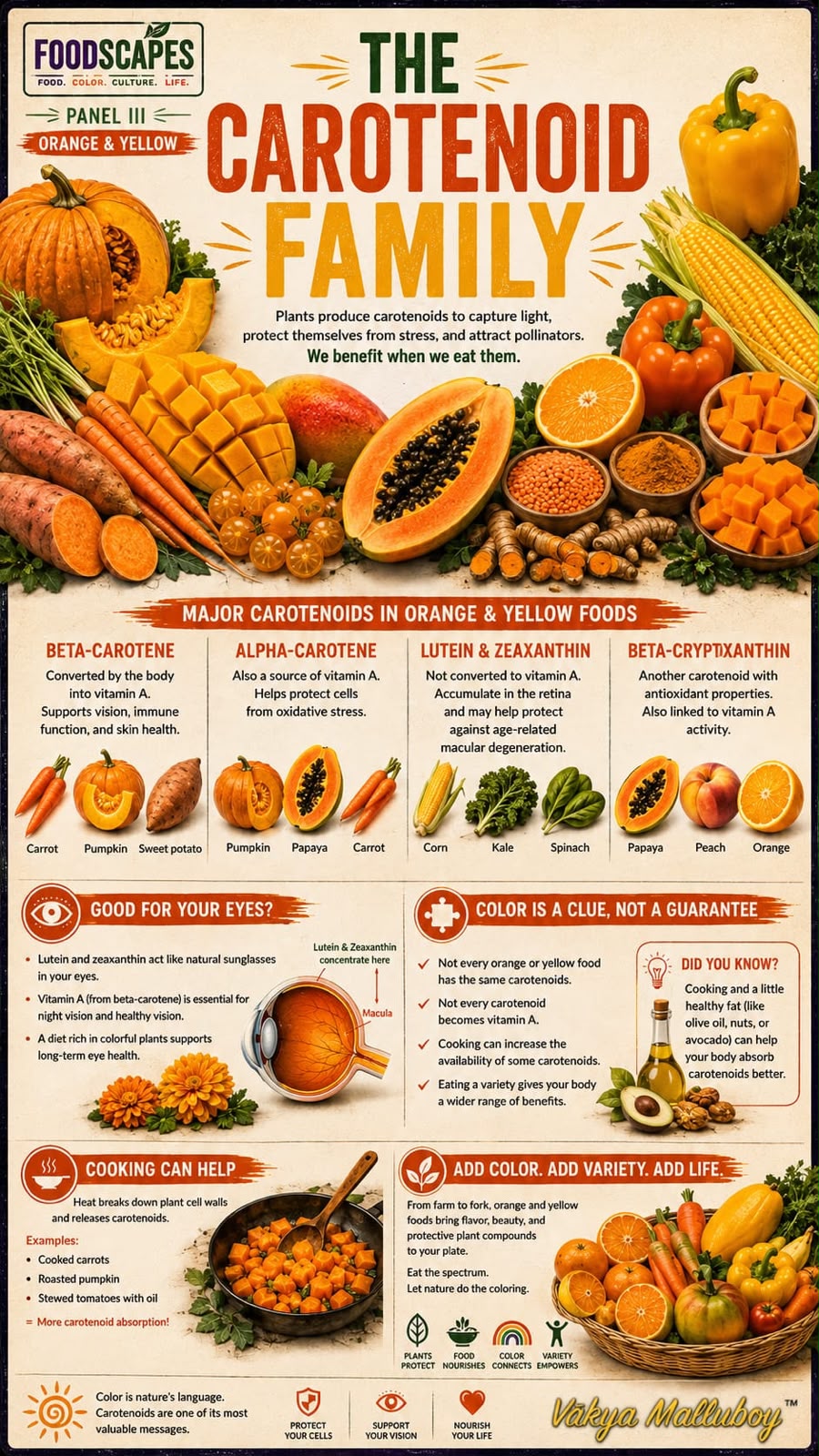
These pictures beautifully reveal that the colours on our plate are not merely pleasing to the eye- they carry a story of nutrition, protection and life. Rich greens , powerful chemistry of reds , every colour represents a different gift from nature.
In a world increasingly dependent on processed and packaged foods, this is a timely reminder. A diverse colourful plate is a celebration of nature’s wisdom and one of the simplest ways to nourish ourselves.
🙏🏽
Very well researched, collated and presented in a visually appealing manner 👏
Exceptional rendition of a seemingly simple subject – but actually very vast. I have been keenly following the creatives of Mr N Kishore which has very meaningful messages. You can go back to read them for the details many times unlike normal news features – thank you CLN for making them available to CLN readers.
This plant doctor approves! As someone who studied horticulture, I’ve always believed plants have a rather brilliant way of communicating and colour is one of them.
The reds, oranges, yellows, greens, blues and purples in our fruits and vegetables aren’t just there to make the plate Instagram-worthy; they reflect a wonderful diversity of plant pigments and bioactive compounds. So perhaps the simplest nutrition advice is also the most colourful: eat the rainbow, and let your plate become your daily plant paintbox!
Very interesting, informative and pretty article! Black is reserved for pandi curry when simulated pandi meat can be grown from plant based ingredients!
(They are now successfully producing “vegetarian” beef with that technology)