CLN: What first drew you to Bharatanatyam, and who inspired your journey into classical dance?
SN: I began learning Bharatanatyam at the age of seven. When I was two or three years old, my mother noticed that I would instinctively dance and jump around whenever I heard music. She felt that I had a natural inclination towards dance.
My mother herself was deeply passionate about classical music. As a young girl of 16 or 17, growing up in Kodagu, she would spend hours listening to legendary Carnatic musicians such as M.S. Subbulakshmi and others on the radio.
Although she had a deep love for classical music and dance, she never had the opportunity to pursue either while growing up in Kodagu. Because of that, she was determined that at least one of her children should receive formal training in the classical arts. She introduced me to Bharatanatyam when I was seven years old. I then began my formal training under Guru Padmini Ramachandran in Bangalore.
CLN: It was your mother who encouraged you to learn Bharatanatyam. Did you enjoy the training as a child?
SN: Though I started learning Bharatnatyam with my Guru at a very tender age, I think I enjoyed dancing till I was 9 years old or so. But, the thing with Classical art forms is that it is very rigorous, very discipline oriented and one needs to practice and only then you can move to the next stage. If you can’t do that, you can’t master the dance or moves that you have learnt.
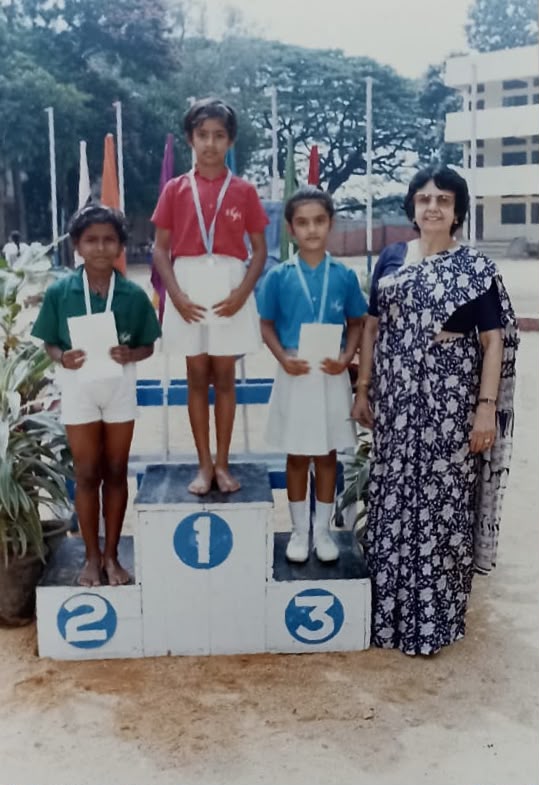
It reached a point where, by the time I was around ten years old, I was juggling my studies, school athletics, Bharatanatyam classes, school programmes, and other performances. Naturally, I was still a child, yet I had hardly any time left to play.
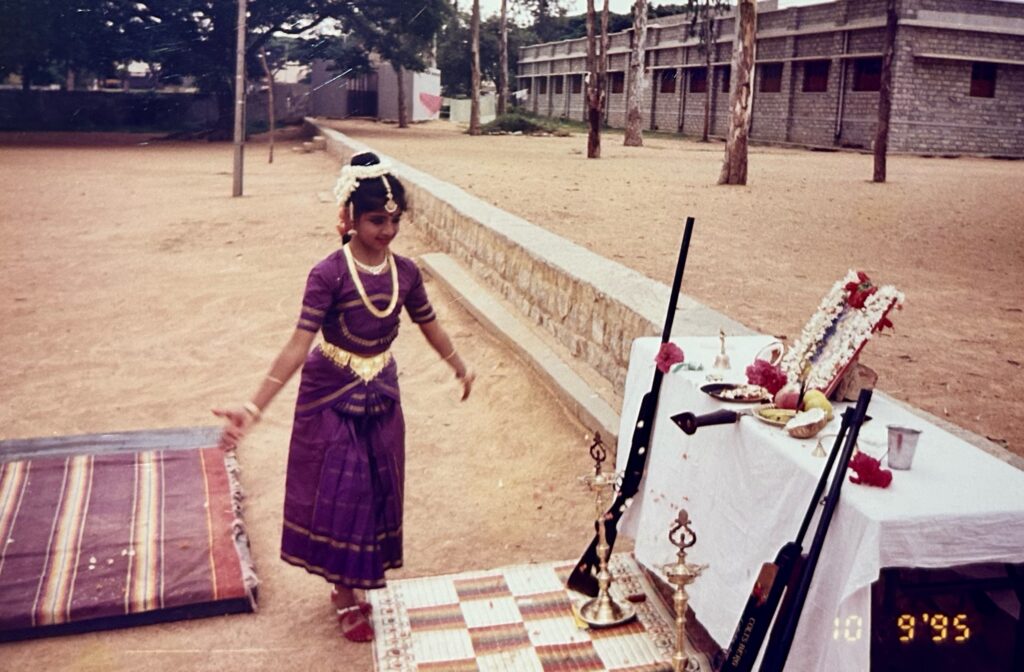
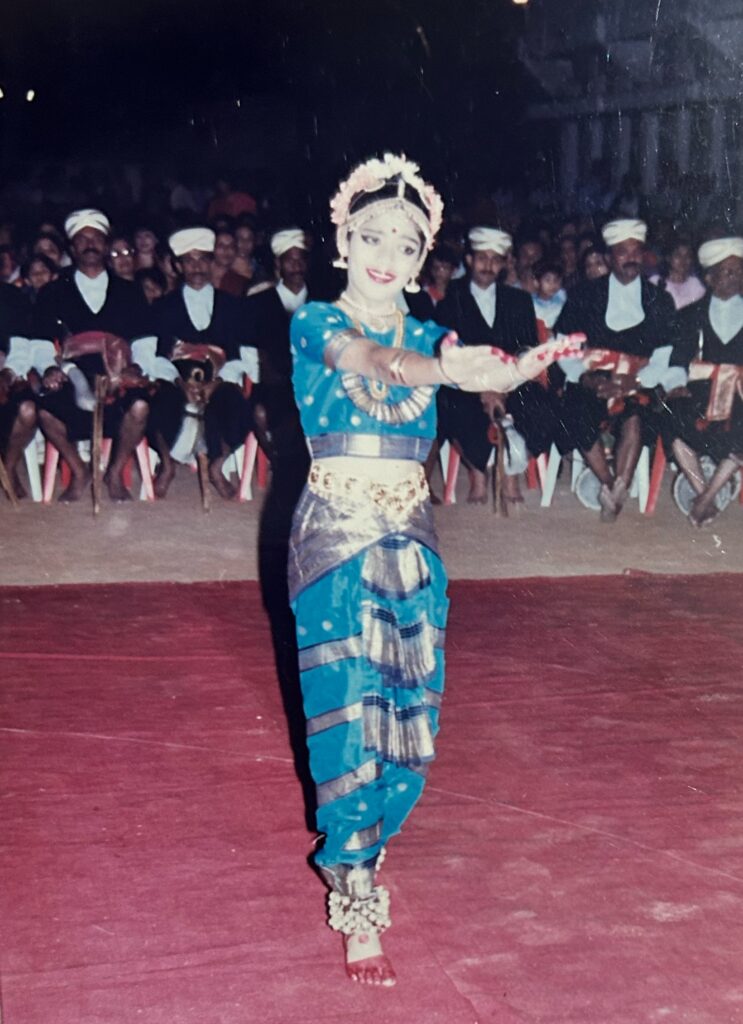
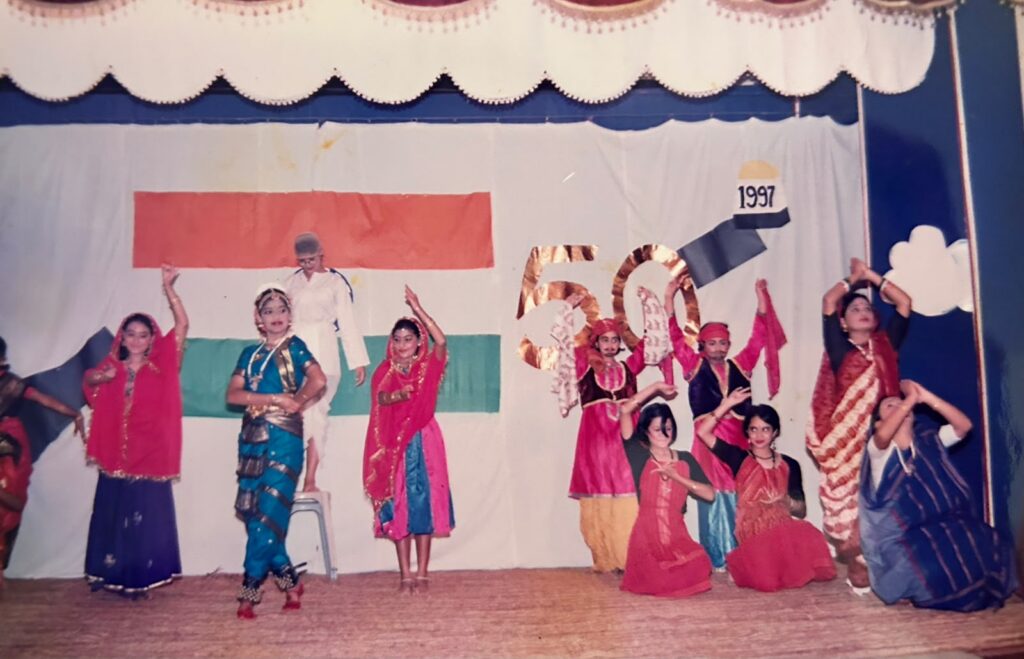
And after doing all these activities, I would just come back home, and would just have enough time to do my homework, eat and sleep. So, over time, I found myself growing tired of the daily grind. I would go to my Mother and ask her why should I do this?, my arms, my legs, hurt. At that point of time, she kept me focused. She would tell me that – You need to put this effort now, only then you will succeed. At that age, I did not understand, what she meant by “success”. I simply obeyed and it hepled me to push the limits.
CLN: When did you realize that your big break or turning point had come?
SN: My Rangapravesham came in 1998. At that time I was 13 years old. It was my rite of passage.
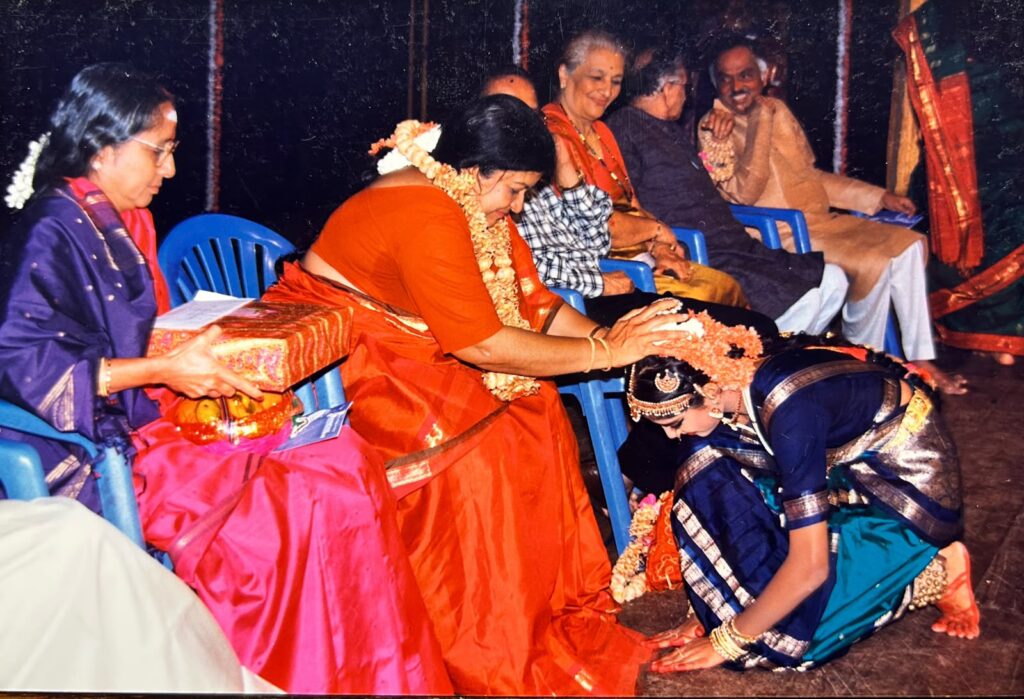
It meant the whole world to me, it is a full length Margam. Margam means a full length performance of Bharatanatyam, where we present the complete repertoire, and it’s solo. I danced for about two and a half hours on stage. It requires a lot of technique, stamina, grasp over rhythm and control over your expressions.
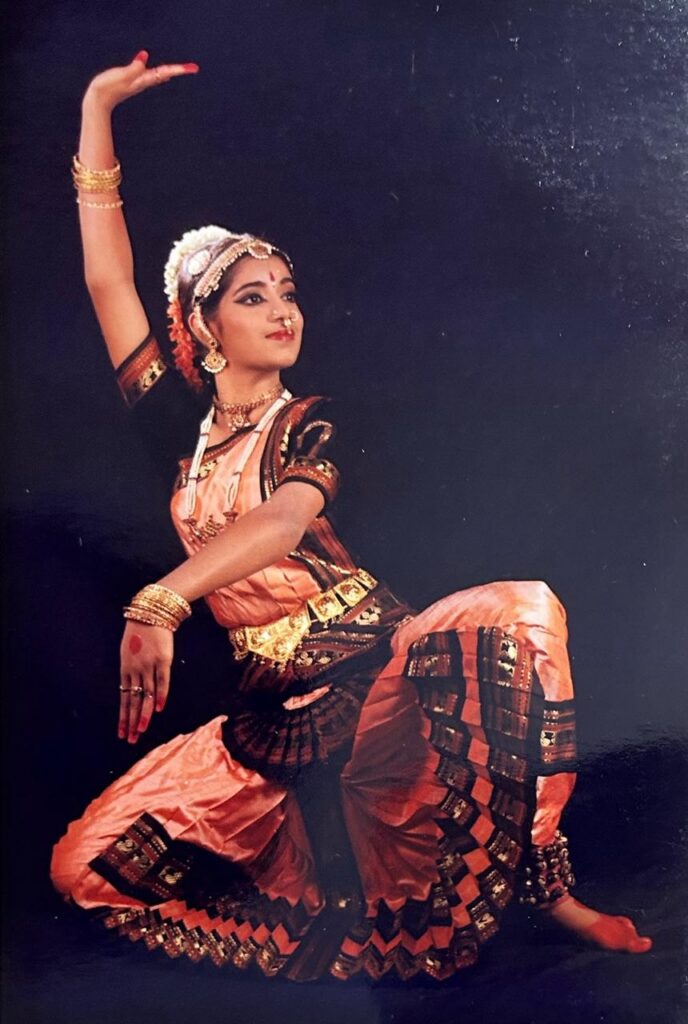
And especially for a child of that age, it’s a huge thing to put in that much effort, practice towards it, months and months of practice with the live orchestra, be in sync with the music and rhythm, and then execute this. I found immense thrill and satisfaction. After my Rangapravesham, I was performing everywhere, performances never stopped after that.
One of the milestones of my career was the performance at Yavanika(State Youth Centre), in 1999 at Bangalore, when I was 14 years old. At that performance, there were quite a few Senior Gurus in attendance. In Rangapravesam, it is like your own people, even if you gave a bad performance, they will all root for you. But at Yavanika, I was performing infront of Who’s Who of Bhartanatyam, such as Profesor U.S. Krishna Rao, Chandrabhaga Devi, and other stalwarts.
It was at this performance, that I received so much of appreciation and accolades, and they were in awe of my performance.
I was told something very crucial by one of the Gurus who was present. He said that – You have everything, that a dancer would need to perform. You have all the factors to make a very successful dancer. And you have the talent. All you need to do is just work a little harder. You are already dancing well, but you need to work a little harder, because I think your technique needed polishing.
So, they spotted something in me, and that kind of clicked for me. And it that slowly shifted me from being somebody who my Mother wanted to dance into someone who wanted to dance. The realization came swift.
And from then on, I started working very hard. And that meant college, coming back, practicing for two hours straight and sometimes churning out five, six practices a week, and then performing. I would perform at least 30 to 40 times in a year. It was crazy, my schedule was extremely jam packed, but I loved it. I was also travelling for performances, sometimes 40 to 50 solo performance. The athlete in me, kept me going and I started to enjoy more – each and every moment.
I was a part of the Vollege team as well. I was the leader of the College team. So that meant intercollegiate competitions, where we would go to college fests and perform there.
I remember my Guru Padmini telling others – The Alta never comes off from Shilpa’s feet. Before it fades, she’s already reapplying it for the next performance.
CLN: Tell us about your Guru and the influence she have had on your life and career.
SN: In 2016, I lost my Guru Padmini Ramachandran. I was devastated and felt orphaned as I was with her for almost 25 years. She encouraged me, she pushed me to try harder and honestly – I don’t think I would have achieved so much, without a Guru like her. It’s been 10 years, but I feel such a great void. I miss her terribly. She was such an integral part of my life and I am blessed to have had such a generous Guru because she gave me so much.
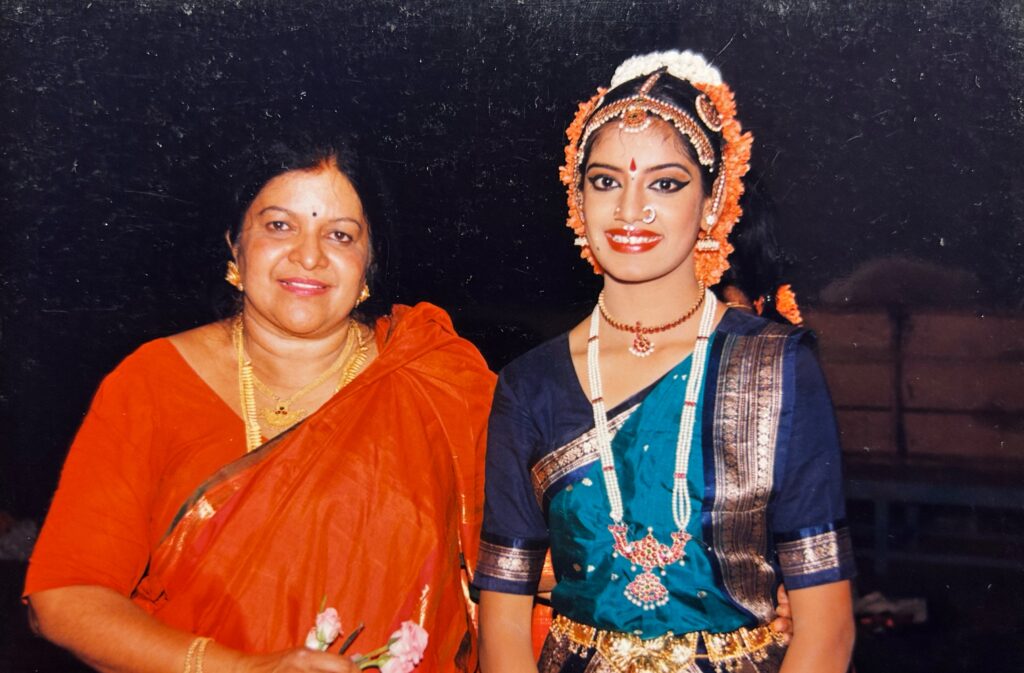
My Guru taught me so much that I still reap the benefits of it today. I will not stop reaping the benefits of it till the end of my life. Out of the 30-40 performances that I had in a year, she was the one who would get about 20 of those performances for me.
She used to garner immense support for me, call organizers and get programs for me. Whenever she would go for Nattuvangam, she would carry my bio data, my profile and present it to the organizers there.
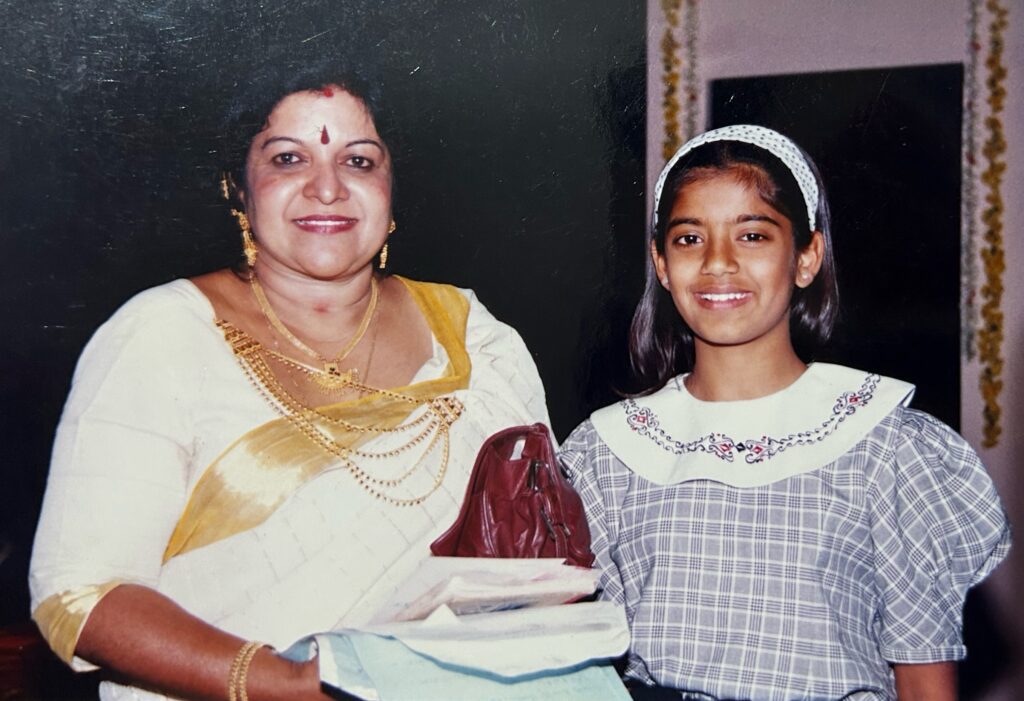
She was our greatest cheerleader and she would get so many performances for us and we would just keep performing. I dedicate the National Award I recently received to my Guru and the senior members of the fraternity. She introduced me to these great masters and gave me the invaluable opportunity to perform before them.
After her passing, I began choreographing entirely on my own. It was then that I realised I could do it quite well. Everything I had learnt from her became the foundation of my work, and today I see it as my responsibility to pass on that knowledge and tradition to the next generation.
CLN: How did the support from your parents shape your career?
SN: My mother would be there with me for every class, every performance, every rehearsal, she never left my side. She made sure that I was provided nutrious meals, love and care. After my school, I would get dropped in the Baldwin School bus near my dance class. I would go there with the complete knowledge and trust that my mother standing at the Institute’s gate with a banana milkshake in hand. My father Allaranda Uthappa, would support me financially. And the amount my parents have invested in me, not just time and energy, monetary – is immense. Bharatnatyam is expensive. For programs, we have to shell out for Musicians, Teachers, the rest of Troupe. My father was a Adminstrative Officer in the Karnataka Land Army Corporation and those days he had to pay around 20,000 as the cost of each performance and I was doing around 20 performances in a year. While I would get paid for performances, like 15,000 or 20,000 Rupees, it would just about cover the expenses. After few years, I started to get paid well for the performances.
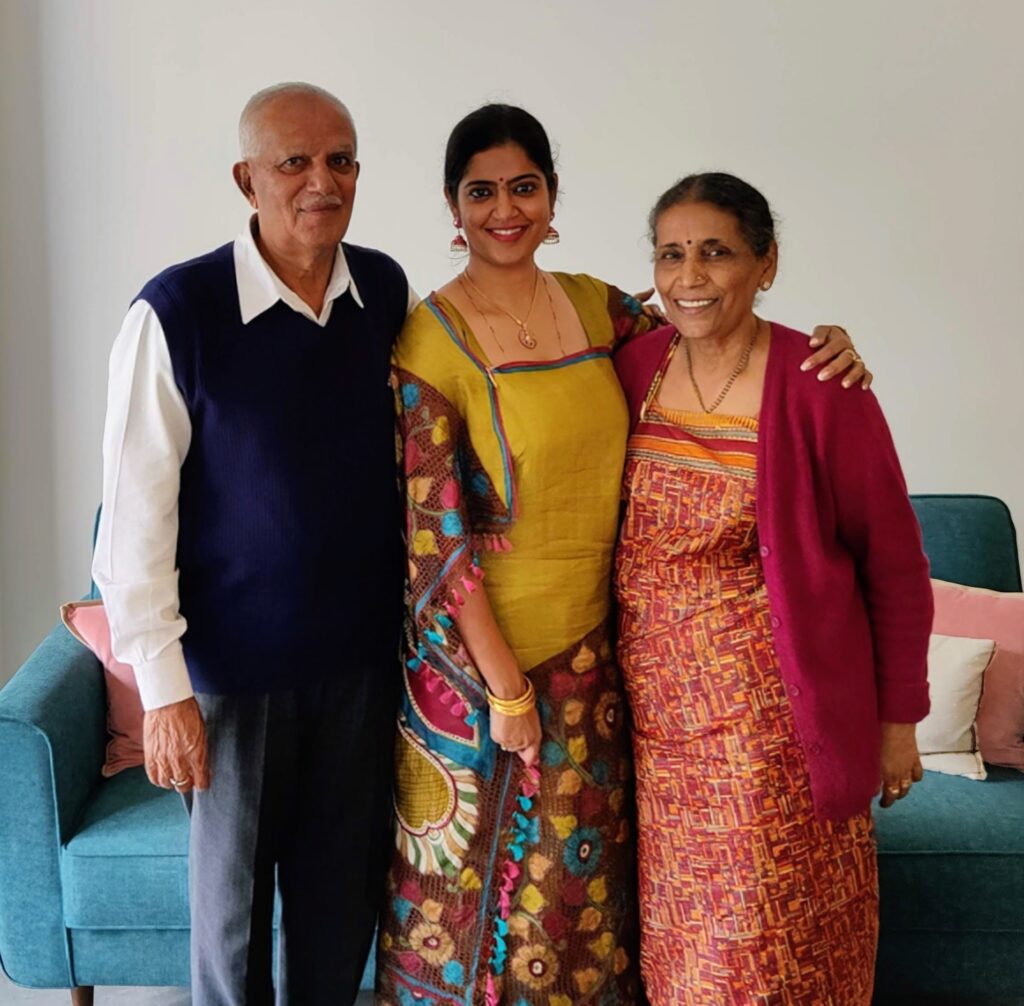
The family and the kind of background that they come from to support me and to put me on this pedestal, I am truly privileged.
CLN: You got married in 2007, did you career slow down after marraige and how was the shift to Kodagu?
Before my marraige in 2007, I was a known performer and had acheived recognition. After my marriage, many thought that I had left Bharatnatyam. But it was not so.
It was just a one year hiatus. I was still dancing at home, meeting new people and settling in my new life with my husband, on his coffee plantation in Coorg. I would still practice every single day in Kodagu.
I explored with my husband. And I enjoyed the plantation life. It is lovely. I started building new relationships in Kodagu.
Dance was always a part of me and I resumed with performances, of course – not 30 to 40 times in a year. That came down and I had reached a level where my dance could sustain me and my performances. So, it came down to about five to six performances in a year, deliberately. I picked and chose where I would perform and I continued.
It was only after my marriage that I received the Kittur Rani Chennamma Award from the Government of Karnataka.
I have done my Masters in Literature and my Honors in Journalism, so I got into art writing as well. I started writing for Art Journals and Magazines. For four years, I was the editor of the dance mangazine, Nrityam.
CLN: Do you teach Bharatnatyam?
SN: Even while doing my graduation, which I did in Mount Carmel College, I was teaching, and continue to do so. I strongly feel it is my duty to pass on the knowledge which my Guru Padmini has bestowed on me.
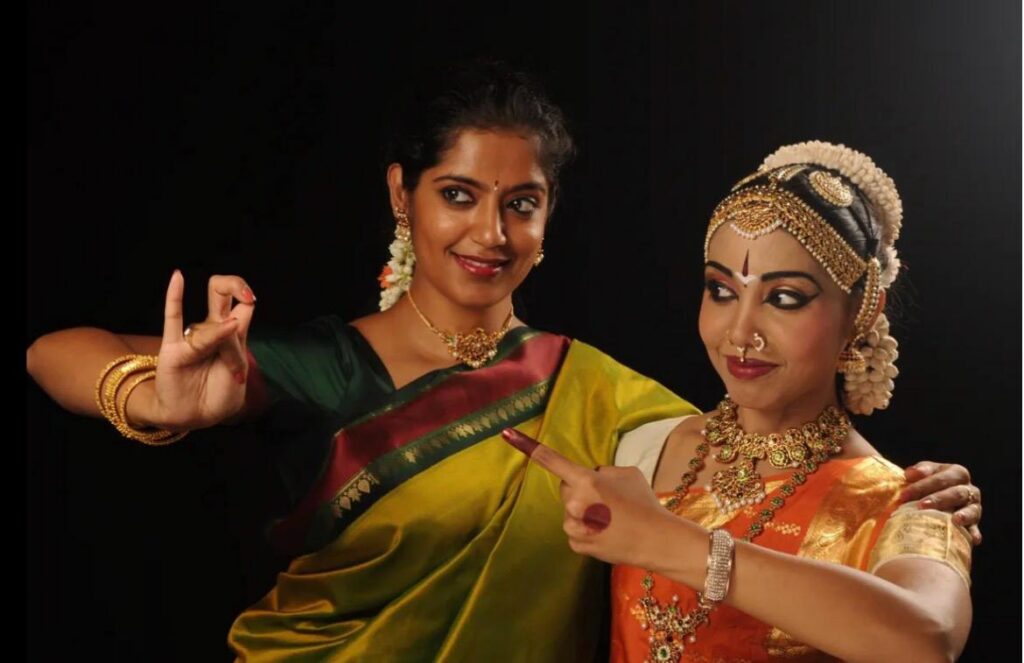
After I relocated to Kodagu, one of my former students was adamant that she would not learn from anyone else. So I took her under my wing and have continued to mentor and teach her ever since. It has been incredibly rewarding to watch her grow. She has excelled in Bharatanatyam and went on to receive the prestigious National Scholarship for Young Artists awarded by the Government of India.
CLN: You are also known for rendering Kodava language compositions into the Bharatanatyam repertoire, tell us more about it, how did that come about.
SN: My father was very much involved in the Kodava Cultural activites at Bangalore. He was a member of Bangalore Kodava Samaja and Banaswadi Kodava Sangha. He was the Cultural Propagator Grandpa and he would personally go to houses and say – Come kids, lets learn Kodava Songs and Dance, and stuff them up in his car and take them to the Samaja to train them. I have organically absorbed so much about our culture and our heritage that when I started reading about the history of Kodagu and our culture, Pattalo Palame and other literary works, I realized, my God, half of this I already was made aware of.
I also came to realise that our language is slowly disappearing and our culture is under threat. The only way to preserve them is to actively promote and popularise them. If our language and traditions remain confined to our homes and within our own community, they will gradually disappear along with the generations that speak and practise them. To ensure they survive, we must take them beyond our own circles and share them with the wider world.
I had a little bit of a eureka moment where I realized that I am holding this beautiful medium of Bharatanatyam which I have soaked in for so many years and it is so popular world over. It’s like holding on to a beautiful effective means of communication and I said to myself, why not use this to propagate our culture, our literature, our rituals, our heritage, the stories of the land, why not? So that’s when after the research that I did during maternity breaks – everything started coming together.
CLN: You said that you use the medium of Bharatanatyam to propagate the culture, history and stories of Kodagu, can you elaborate on that.
One example is the Pattalo Palame, which contains the complete story of how the Sastavu Temple came to be established in Betu village. The entire history of the temple has been preserved through our ancestral songs. That rich narrative has been beautifully condensed into a single poem.
I was aware of this poem because I had previously worked with Jaya Aunty (Mandira Jaya Appanna), who translated the entire Mahabharata into the Kodava language and has produced remarkable literary work. Knowing that she had written this poem, I adapted it into Carnatic music and choreographed it for Bharatanatyam.
Presenting Bharatanatyam to Kodava songs is not new in itself. However, what is unique is the way this work has been documented. The composition is rooted in the context of Betu village and revolves around the deity Sastavu. Along with the musical composition, I have documented the deity’s history, the associated literature, and the complete musical notation, enabling any trained dancer to perform the piece accurately.
The greatest challenge, however, is pronunciation. To address this, I prepared a comprehensive academic resource that includes a word-for-word translation, sentence-wise and paragraph-wise translations, a complete transliteration of the poem, and a phonetic audio guide to ensure correct Kodava pronunciation. This allows dancers to understand not just the words, but also their meaning and cultural context, making them far more responsible in the way they approach choreography. The objective is to ensure that Kodava language and culture are represented with authenticity and respect.
For the first time in documented dance history, Bharatanatyam dancers who are not Kodavas are performing to Kodava compositions. This has never been attempted before, and many dancers have felt confident taking up these works because of the extensive literature and documentation I provide. They receive the transliteration, translations, historical background, contextual notes, and pronunciation guides, while I remain a resource person whenever they need guidance.
One dancer, for instance, created a beautiful production on the River Kaveri using one of the Kodava poems I had documented. I shared the complete literary material, translations, and contextual information to help her present it authentically.
I also took great care in designing a Bharatanatyam costume inspired by the traditional Kodava saree. It was the first time such a costume had been created, and even the tailor was initially confused because the pleats had to be placed differently to reflect the Kodava style accurately.
Whenever we interpret or present another community’s cultural heritage, it must be done responsibly. That responsibility extends beyond choreography to issues of intellectual property and cultural ownership. Before using any literary work, I sought permission from its author. I approached, Jaya Aunty, B.P. Appanna, and others and have explained my project, sought their approval, and even offered royalties. Likewise, when I wanted to use photographs by Kaveri Ponnapa in my fellowship research, I personally requested her permission before including them.
That deep sense of responsibility is essential because it preserves the structural and cultural integrity of the work. It is not merely about creating a performance; it is about safeguarding the authenticity of an entire tradition.
The broader objective of this research was to demonstrate that Bharatanatyam today is no longer confined to Tamil or Telugu compositions, as it largely was centuries ago. Contemporary Bharatanatyam dancers perform works in Kashmiri, Gujarati, Marathi, and many other languages. As long as the context is understood and respected, the language can be meaningfully incorporated into the art form. Even the foremost exponents of Bharatanatyam perform compositions in multiple Indian languages.
However, presenting the language, literature, and cultural narratives of a community on dancers who do not belong to that community is a significant responsibility. It demands rigorous research, careful documentation, and an unwavering commitment to authenticity. That is the foundation on which this entire body of work has been built.
CLN: After your marriage, you relocated to Kodagu. How has that transition been for you?
SN: Life is hectic, as always, but I have come to love it. My husband, Pavan, and I are raising two children. They attend school in Madikeri, while we live on our estate, 15 kilometres away. That means I drive at least 60 kilometres every day, dropping them off at school and bringing them back home. In between all of this, I find time to practice, work on my research papers and pursue my dance. The days simply fly by.
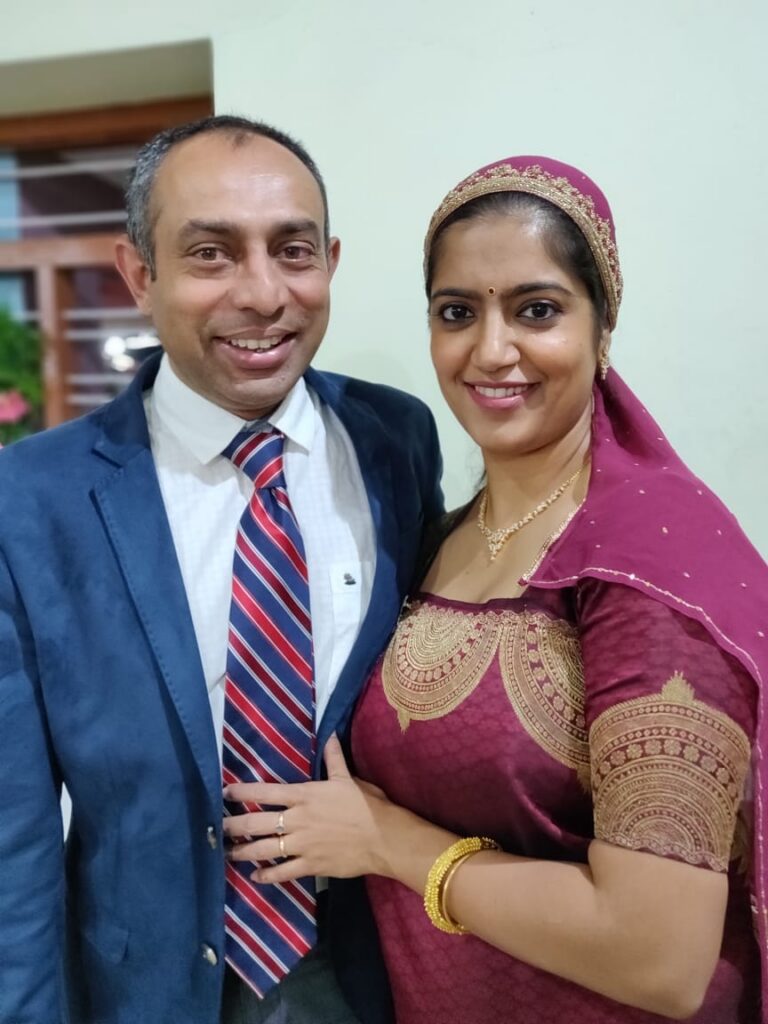
Once the children return from school, I switch roles completely. I stop being the dancer and researcher, and become a fulltime mother. I try to give my children the same commitment and dedication that I give to my work as a performer. Our evenings are entirely about them, and I make it a point to spend as much quality time with them as possible.
I feel truly blessed to live in a place like Kodagu. Had I been living in a city, I would constantly have been pulled away from motherhood by social engagements, professional commitments and countless other distractions. Here, I feel I can give my children my complete attention and be fully present for them.
More than anything, Kodagu is a wonderful place to raise children because it keeps them deeply connected to their roots. They go to a school where they learn about our culture, history and environment, and they are growing up with a strong sense of identity and belonging. I honestly cannot imagine bringing them up anywhere else. They are grounded, and that means everything to me. I wouldn’t trade life in Kodagu for anything in the world.
In 2013, we started our speciality coffee company, Papakuchi, and today we export our coffee to Europe and Japan. I look after the brand management, while my husband oversees the processing and production.
If I had to put my priorities in order, they would be: My children first, then dance, followed by my research, and finally coffee.
Join our WhatsApp Group for News and Article Alerts