On 2nd of July, a sad news came in. The fig tree at Mann’s Compound in Madikeri had fallen. It is said that Henry Mann, a European planter who owned the land where it stood – had planted 4 fig trees in 1855, 3 large ones had fallen earlier and this was the last to split.
This silent sentinel had watched over the land for 6 generations.
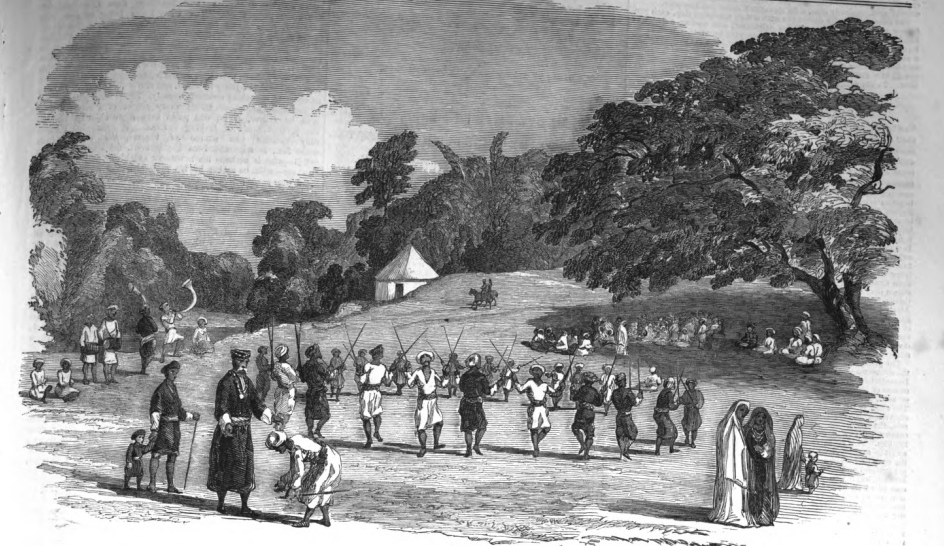
It had been more than just a tree. In distant past – during Puthari(Huttari) the Kodavas living in Mercara(Madikeri) town used to dance around its vast trunk, their drums and horns echoing through the hills, their footsteps stamping out stories that had been passed down for as long as anyone could remember. As generations passed, the practice – slowly but steadily waned out.
The tree was not merely a witness to their traditions, it was woven into them. Its roots seemed to pulse with the rhythm of the drums and horns, its branches swayed to the music and joy. For the Kodavas of yore, it was a living ancestor, a connection to their past, their gods, and their identity.
But time, like the river, carves change into every shore. As modernity crept into Kodavas’ lives, the world beyond began to beckon. Migration, the neon-lights, jobs, materialism, new ways of living took hold. The young no longer gathered around the tree. The drums and horns fell silent, the songs faded, and the sacred dances that had bound the Kodavas together became distant memories.
The tree, once vibrant with energy and reverence, now stood in stillness – swaying only in the high winds, as if desperately calling out to the Kodavas to return and dance around it once more. It aged quietly, its roots holding the stories no one came to hear anymore. And then, after 170 years, the great tree fell. Perhaps it was the weight of time, or the weight of loneliness – but with its fall, an unspoken chapter of the Kodagu’s history closed.
When the tree lay on the ground, the world hardly noticed. The Kodavas had already moved on, their lives now stitched into the fabric of modern life and nuclear lives. The children of the hills no longer knew the songs their ancestors sang or the steps their feet once danced to. They forgot the dances, the tree, and the bond that had connected them to their land and to one another.
The silence where the drums once beat is a reminder: when culture and traditions are left untended, they collapse – just like the tree.
Yet, I believe, I hope – in some quiet corner of Coorg, a sapling grows from the seeds of the fallen tree, dispersed by the birds. And perhaps one day, someone will remember the dance and all will gather and dance again. A Prayer.
Join our WhatsApp Group for News and Article Alerts