Every year on Puthari, I write about the festival, its significance, age-old customs, childhood memories soaked in rich meaningful traditions that make it so special.
But this year, my thoughts are somewhat troubled. It pains me to look at the picture above, where two contrasting landscapes tell two different stories. On one side are rich, golden and verdant paddy fields, standing majestically with a promise of a bountiful Harvest. On the other are vast stretches of fallow land, abandoned and slowly disappearing under weeds and wild growth.
The contrast is heartbreaking. One represents the agricultural richness of our inherited land, while the other reflects the growing disconnect from the very soil that has nourished generations. In many ways – our identity.
It makes me wonder. What gives us the right to celebrate are Puthari, when the fields that symbolises nourishment and gives meaning to this festival are gradually disappearing? While reflecting on this I am reminded of Kaveri Ponnapa’s “Coorg the CookBook“, where she dedicates an entire essay and chapter to remind us of our cultural heritage and fundamental thought of “Rice as a legacy“. Today, on this preeminent day of our main festival Puthari, these words become even more relevant.
There was a time when paddy cultivation was not merely an occupation in Kodagu. It was a way of life. The agricultural calendar shaped our days, seasons and celebrations. Families worked together in the feilds, from preparing the land and planting the seedlings to harvesting the crop. The sight of golden paddy was a matter of pride, and the harvest was a reward for months of hard work. Rice was our security, our currency, our wealth.
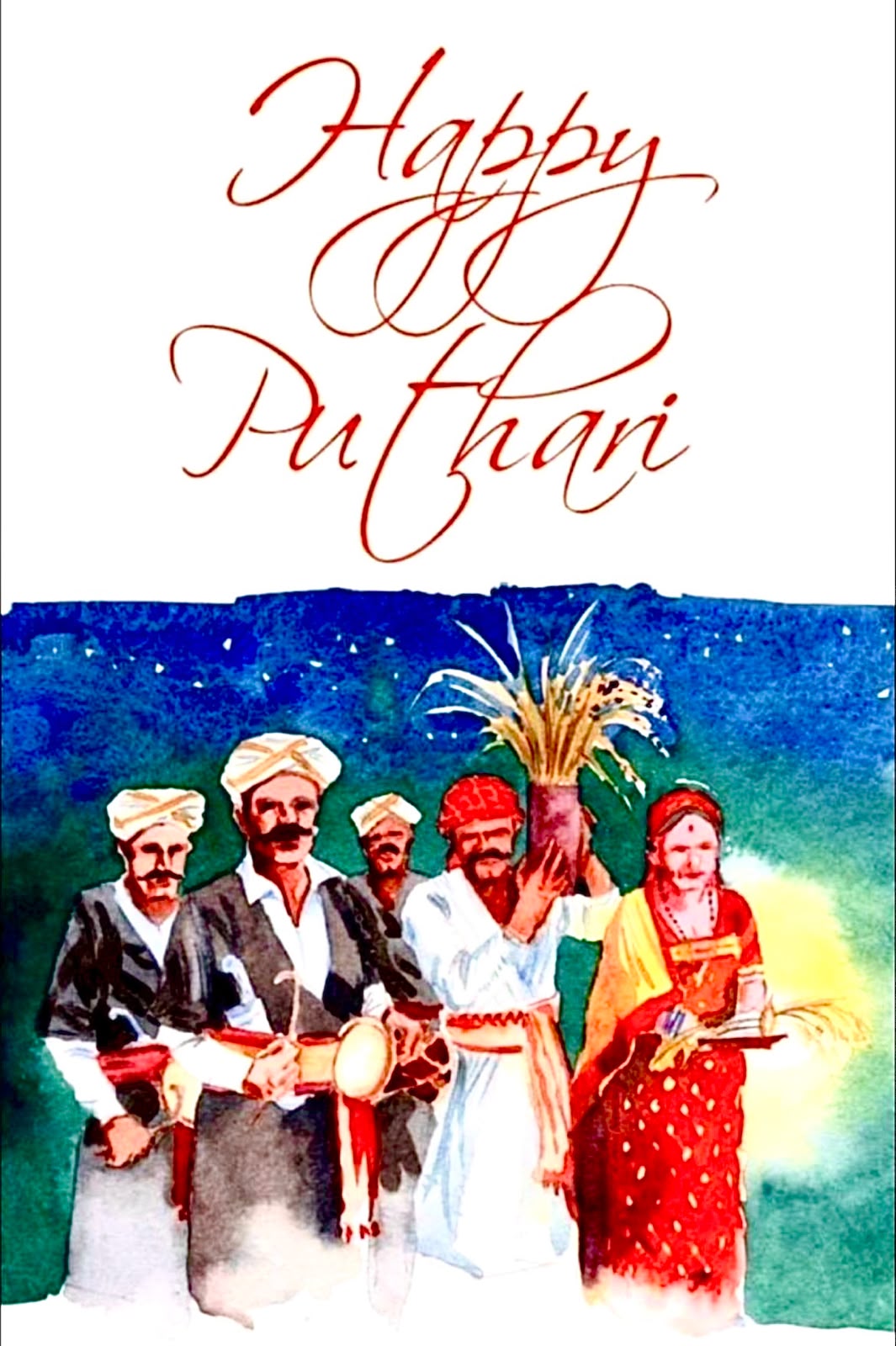
Puthari was the culmination of that collective effort, it was a moment of gratitude to nature, the land and the harvest that sustained generations. The freshly harvested paddy brought into our homes symbolised prosperity, abundance and hope.
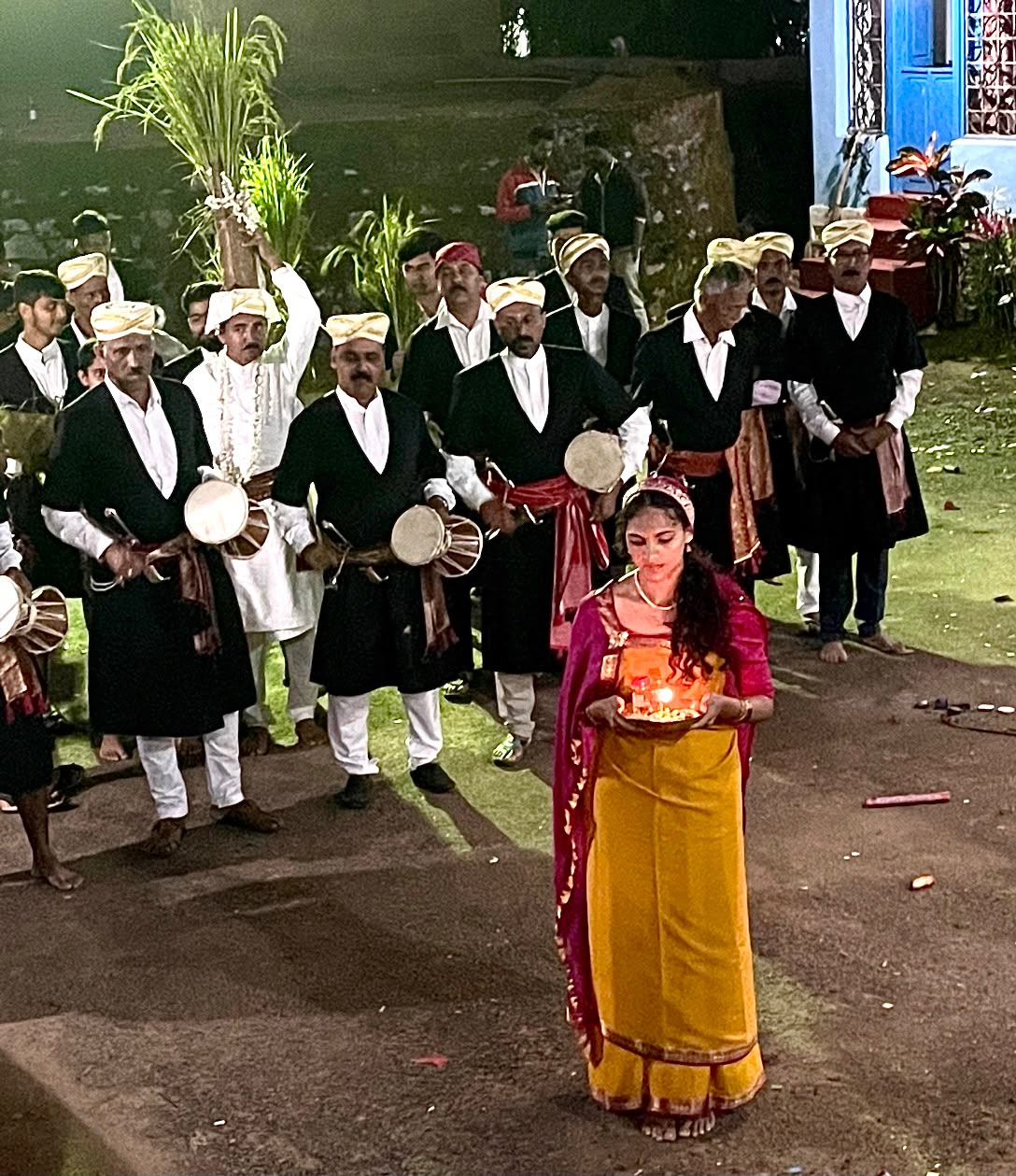
But what is the significance when there is no crop to harvest, to celebrate? Painfully we observe that “kadd” is “outsourced” and distributed in our community organisations with a call to celebrate Puthari in the cities, away from home. With all humility, the joy of celebrating Puthari at one’s Ainemane, with all members of the Okka, is an irreplaceable event. It genuinely brings the family together promoting sharing, giving and taking with gratitude and bonding. At best, celebrate the event at your own homes, with relatives, neighbours – but in the blessed land of our ancestors, Igguthappa and Kaveramme. Of course there will be exceptions to this rule, especially for the diaspora – but make it a point to get back to the place you belong, on key festivals.
Coming back to the issue of why many fields lie uncultivated. It is heartbreaking to see fertile land, which once fed entire families, slowly surrendering to weeds and wild growth. The reasons are not difficult to understand. Some fields have been abandoned out of helplessness, while others have gradually disappeared from agricultural use citing labour non-availability, rising costs of cultivation, crop damage due to wildlife intrusion, climate change and so on. The implications of non-cultivation have huge impact on water table conservation and consequential environmental damage.
Everything is not pure commerce – in these days of genetically modified seeds becoming the norm with rampant use of chemical fertilisers and pesticides laden food-grains, fruits and vegetables, it is incumbent upon us to secure “safe” food sources. Look at what is happening in Punjab where train loads of people are headed for serious medical care. At a time when concerns about food quality, chemical residues, excessive processing and the origins of what we eat are increasing, growing our own food is particularly relevant. And what is perplexing is that there are many who continue to grow paddy from time immemorial – profitably and as an essential source of “safe” food.
Why should fertile agricultural land in Kodagu remain fallow while we increasingly depend on rice and other food grains transported from distant places?
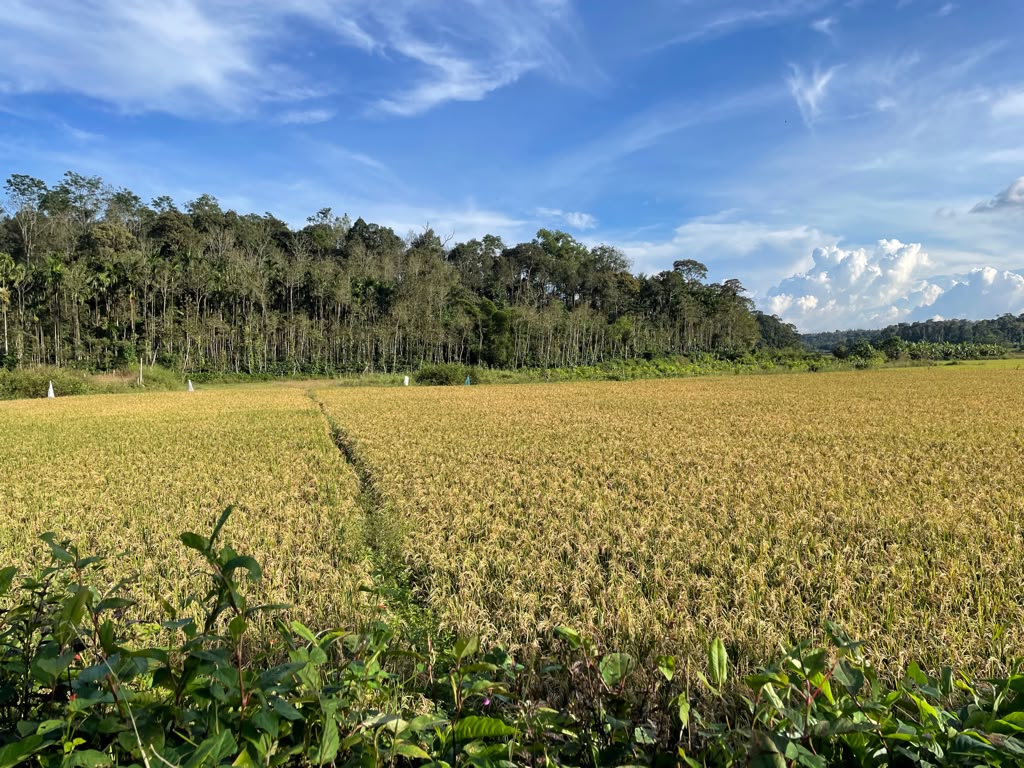
Wouldn’t it be wiser to bring our paddy fields back to life and grow our own food? Food whose origin we know, whose cultivation we can monitor, whose quality we can take hold ourselves responsible. Growing our own rice through responsible and sustainable agricultural practice is not simply about producing a crop. It is about food security, self reliance and the confidence of knowing what reaches our kitchens/tables.
How many more years can we celebrate a harvest festival if the fields that give meaning to the celebration increasingly falls into disuse and worse become a source for real estate development and commercial exploitation? How many young people today have experienced the joy of watching entire cycle of rice cultivation and paddy being harvested? How many understand the effort behind every grain of rice served on their plates?
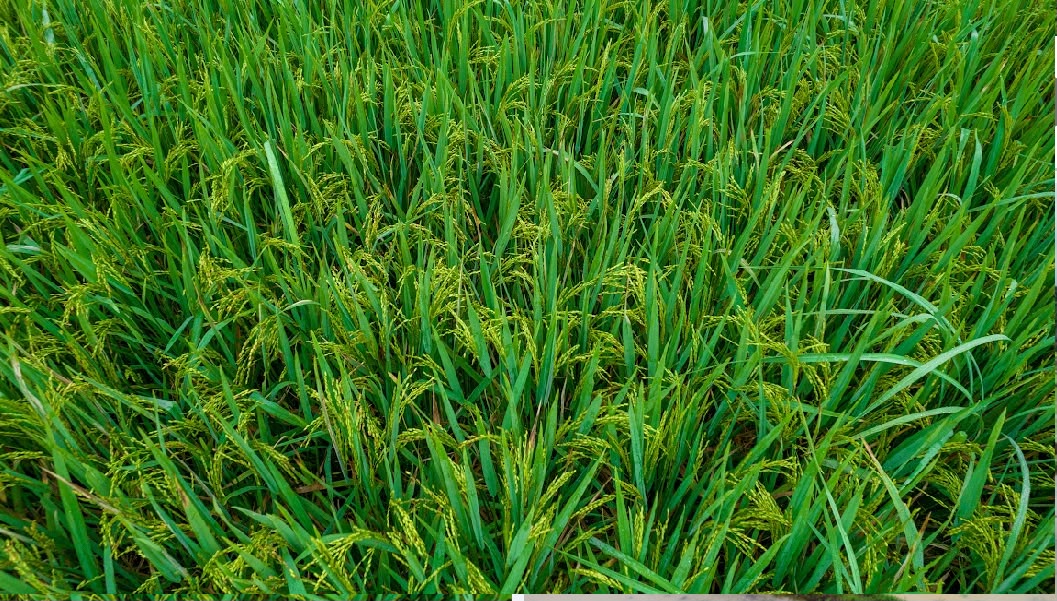
Perhaps this Puthari, as we walk past those beautiful stretches of green and the silent abandoned fields beside them, we should make a commitment. Let us bring our paddy fields back to life. Let us encourage our farmers. Let us grow our own safe food and protect our agricultural heritage.
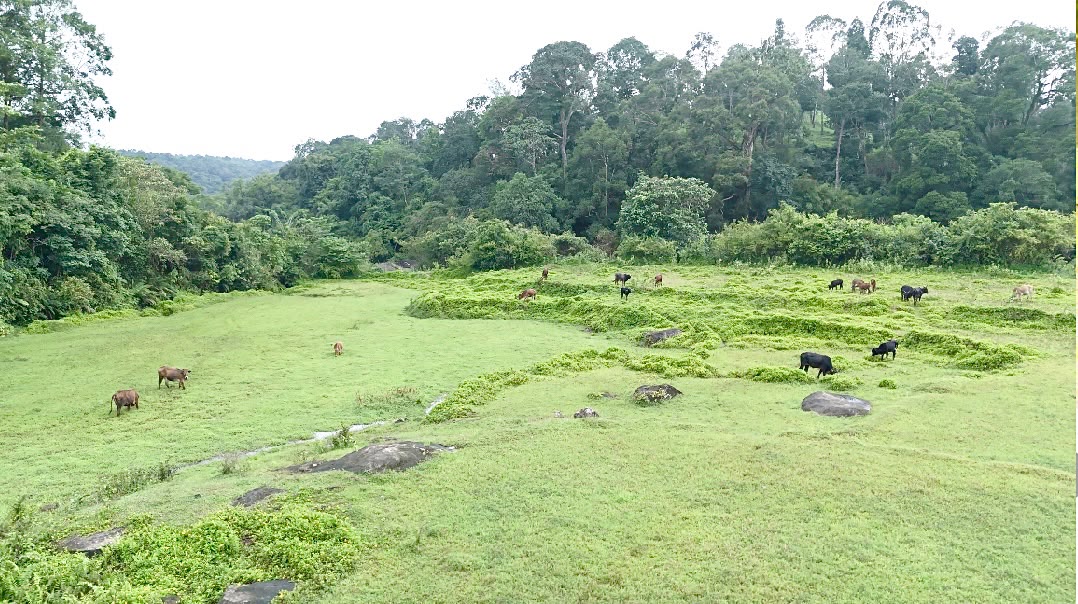
We need a movement that brings greater awareness so that farmers, landowners, local organizations, elected representatives, district administration and the younger generation work together to restore paddy cultivation with as much rigour as promoting tourism. If we can campaign to protect our forests, rivers and environment, why can’t we have a strong campaign to bring back our paddy fields? Because when the paddy crop disappears, we lose much more than a crop. We lose a livelihood, a landscape, a food source, a living tradition and a significant part of what makes Kodagu.
We speak passionately about preserving Kodagu’s culture, but can we preserve its agricultural heritage while allowing the very fields that nurtured it to disappear? Our patron God for rice – Igguthappa would be mighty pleased if tulabara offerings are conducted with rice grown on our wetlands. Perhaps a worthy and responsible resolution to be made this year for all the reasons enunciated above.
Join our WhatsApp Group for News and Article Alerts